I work at the intersection of dynamical systems, stochastic modeling, and rare and extreme events. My research asks how we can understand and predict complex engineering and environmental systems when uncertainty is not just a perturbation, but an essential part of the dynamics. I develop analytical, computational, and data-driven methods for high-dimensional nonlinear systems with persistent or intermittent instabilities, with a particular interest in inexpensive predictive tools for anticipating rare transitions and extreme behavior.
I am a Ph.D. candidate in Mechanical Engineering at , advised by Themistoklis Sapsis. Before MIT, I received my M.Sc. in Applied Mathematics from in 2024, where I wrote my master's thesis in George Haller's group, and my B.Sc. in Mathematics from in 2021.
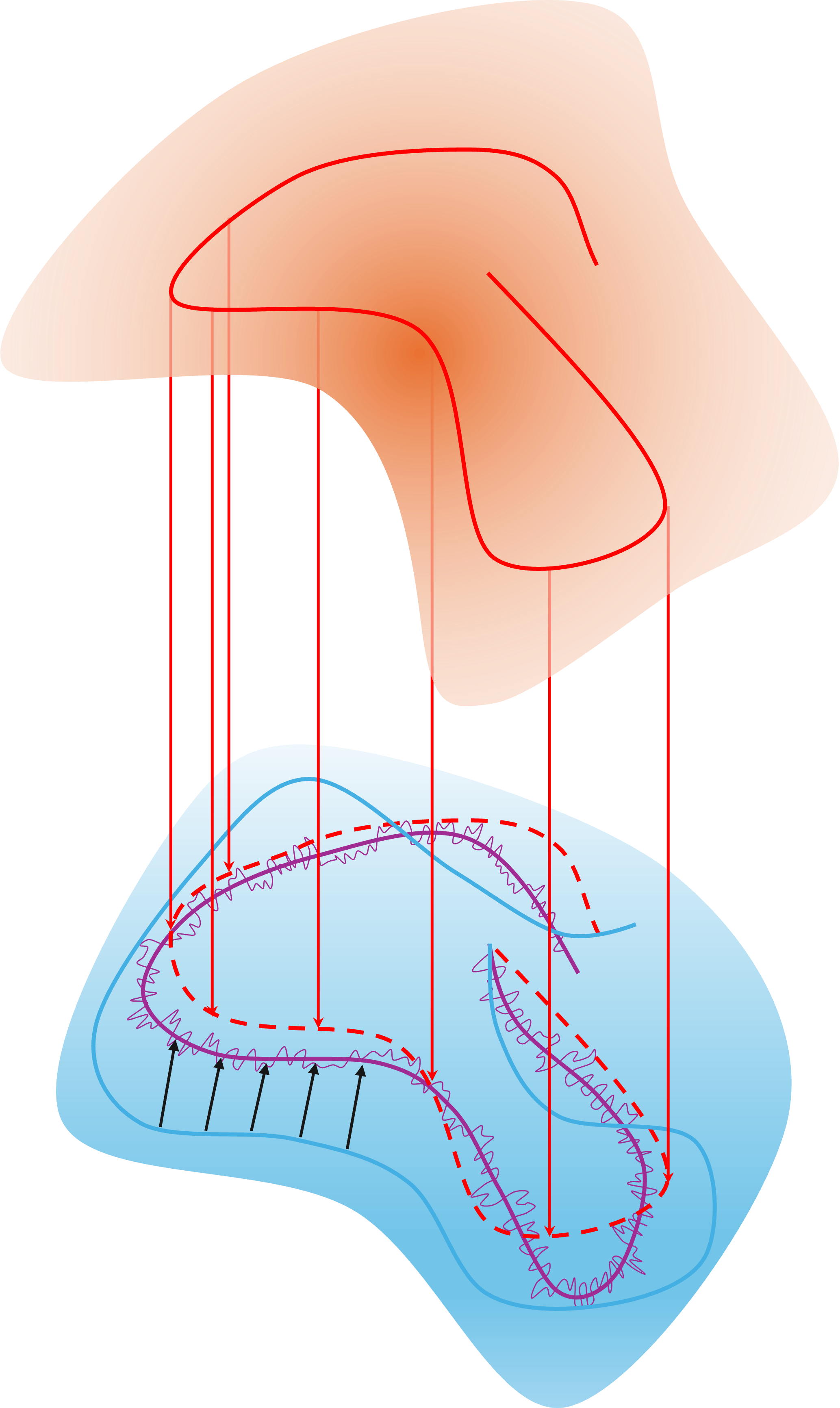
Explicitly incorporating local directions of strongest finite-time growth into the surrogate provides mechanistic information that is difficult to infer from scarce rare-event examples.
Fortieth Annual Conference on Neural Information Processing Systems2026
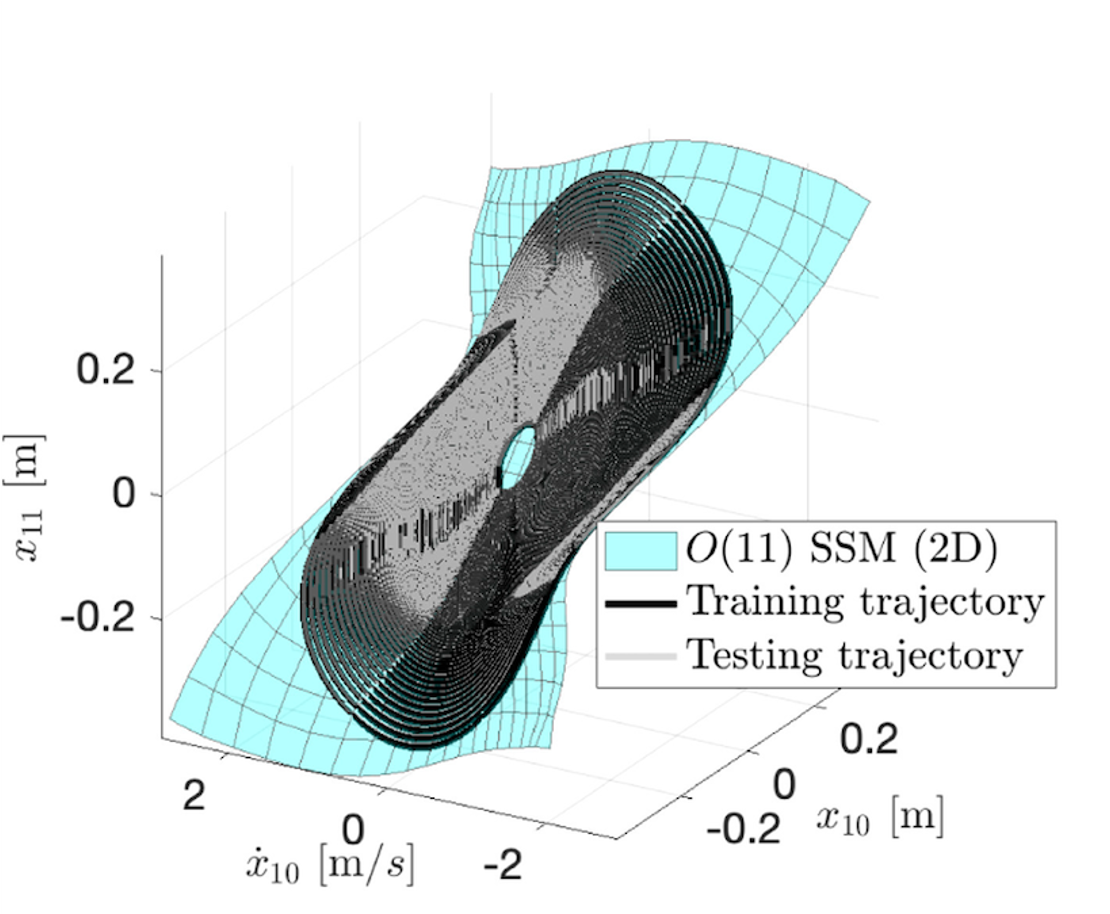
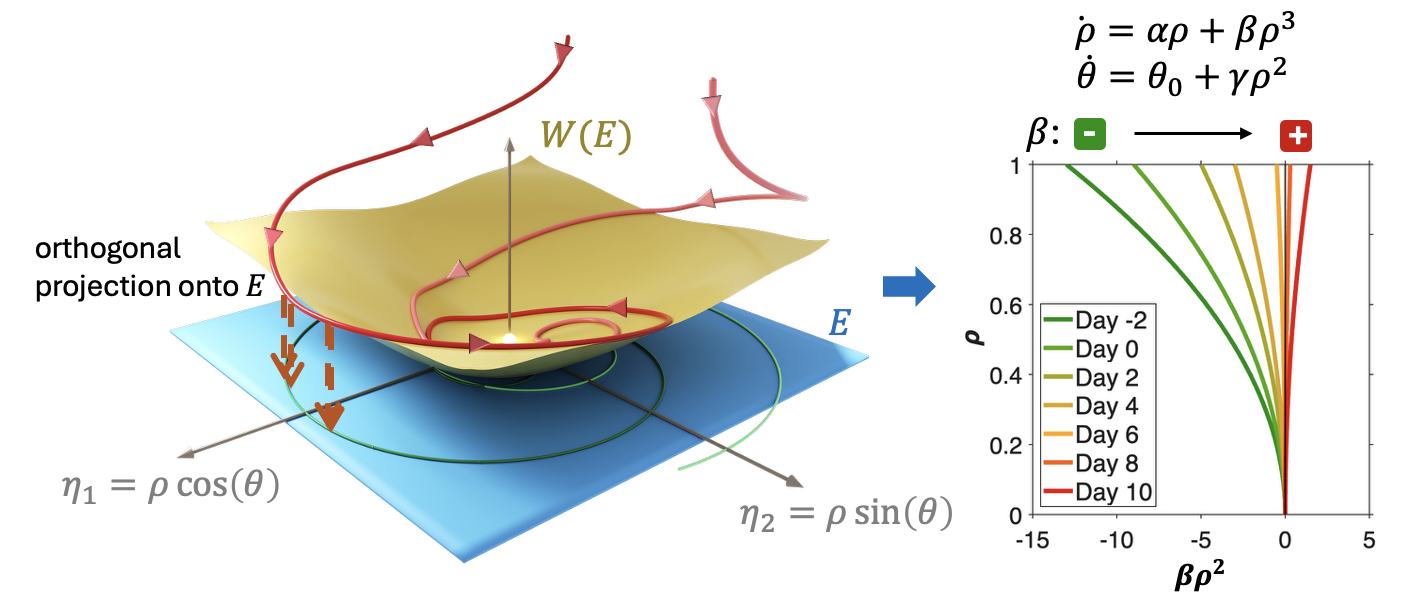
Detects early drought stress in soybean plants non-intrusively through a change in their nonlinear vibration dynamics, captured by the evolution of spectral submanifolds (SSMs).
I won 1st Prize at the MITAI Conference: Age of Agency in Mountain View, CA! I was invited to speak on this year's theme of Trust & Safety in AI, presenting my talk, “What If AI Fails Exactly When It Matters?”. A huge thank you to OpenAI, Hugging Face, and Kensho for judging, their thoughtful feedback, and helping make this such an exciting experience!
Award
I will be presenting a poster in the category AI for Science and Engineering at MIT Generative Impact Consortium (MGAIC) and AI Hardware. The poster session will take place on October 29th, 2026 from 3:30-5:00 PM at the Stata Center
Poster
I am a finalist and giving a talk at the MITAI Conference Research Slam, happening on October 17 in Mountain View, CA. This year's topic is Trust & Safety in AI.
Talk
Our paper “Mechanism-Aware Ensemble Conditioning for Data-Limited Emulation of Extreme Events” was accepted as an oral presentation (best 0.36% of all valid submissions) at NeurIPS 2026 — see you in Sydney, Paris, or Atlanta!
Paper
On October 27, I’m invited to give a talk in MIT’s iMMEC Mechanics: Modeling, Experimentation, Computation Seminar series: What Can Dynamics Tell Us About Extremes We Rarely Observe? — 4:00–4:30 PM, room 3-370.
 , advised by
 in 2024, where I wrote my master's thesis in George Haller's group, and my B.Sc. in Mathematics from
 in 2021.