I am excited to mention that I will be co-chairing a special interest subgroup in ASCB|EMBO Cell Bio 2023 Meeting (Cell Bio 2023) with Prof Peter N Devreotes and Prof Tobias Meyer.
The session title is Feedback Loops and Spatiotemporal Patterning. Our session is scheduled on December 2, 2023 from 1:00 to 3:30 PM.
Please find the session abstract below:
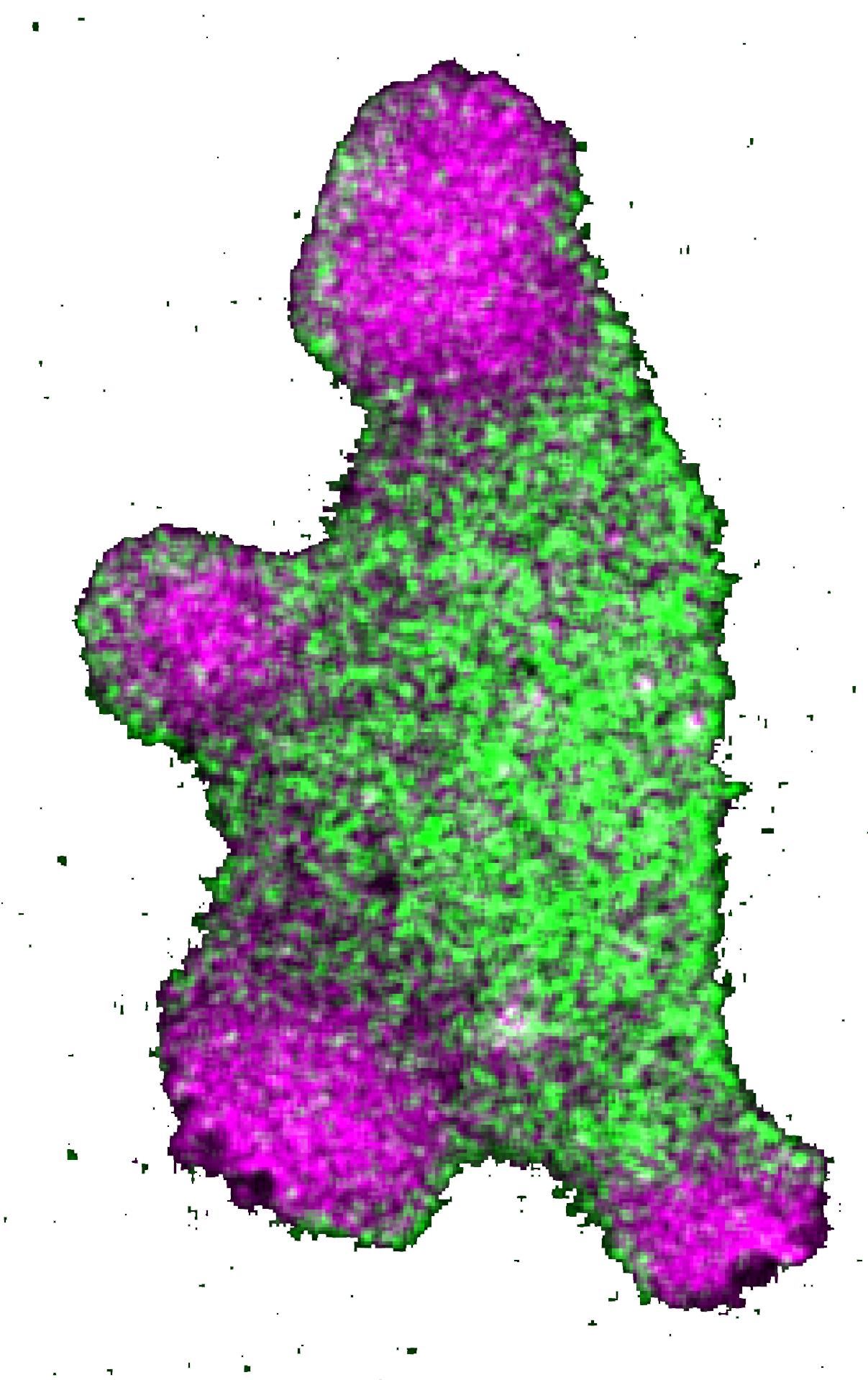
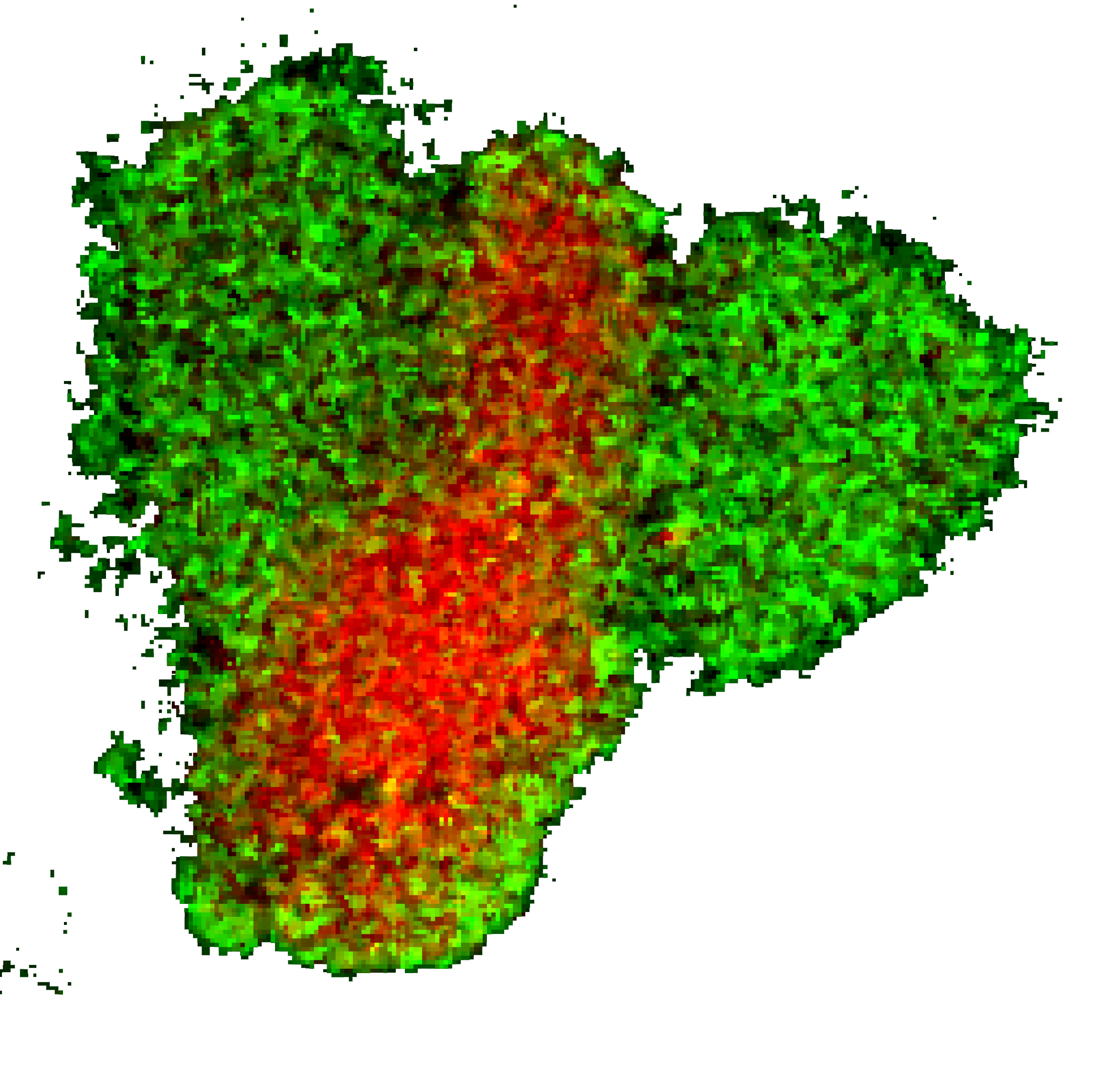
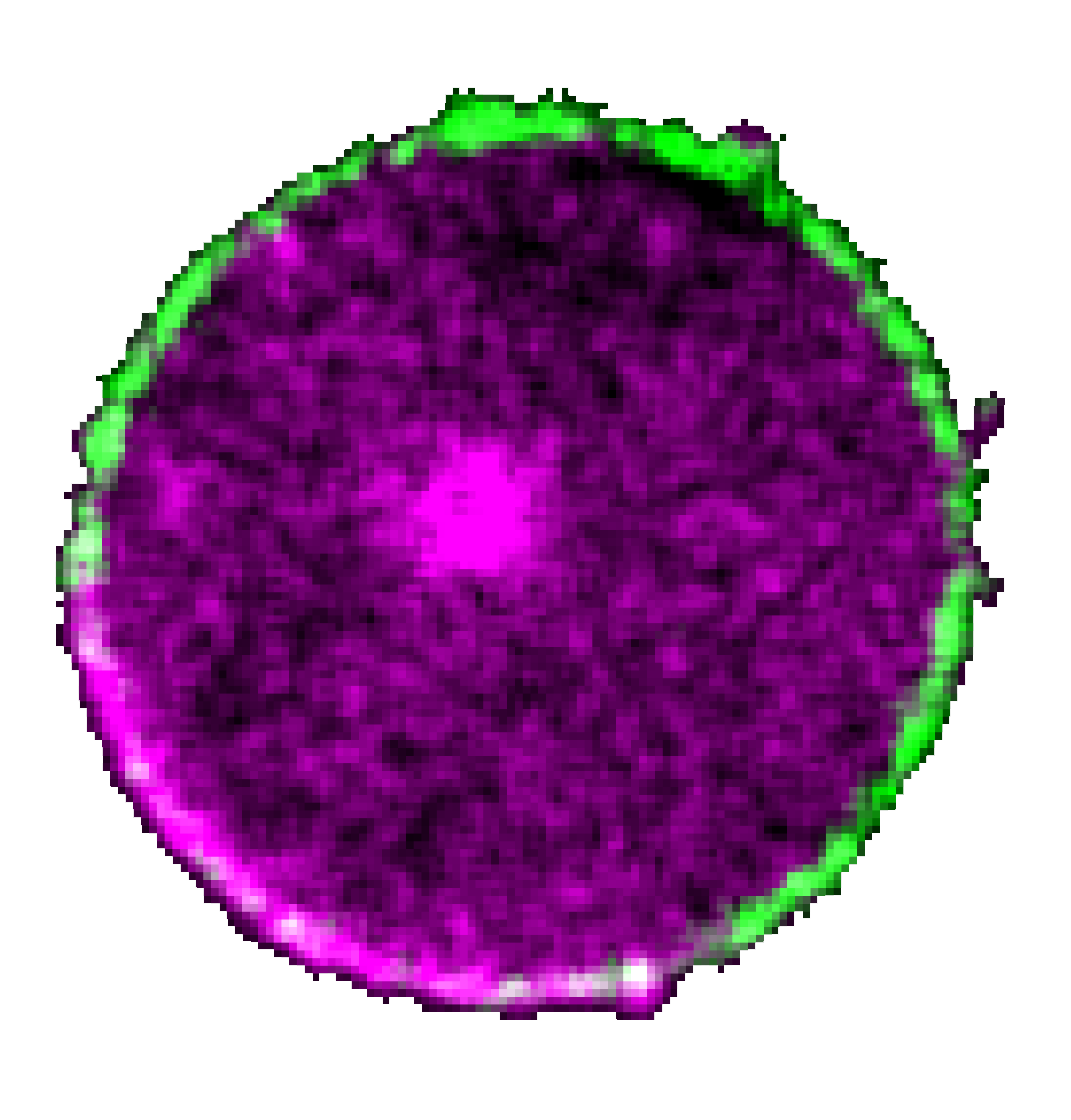
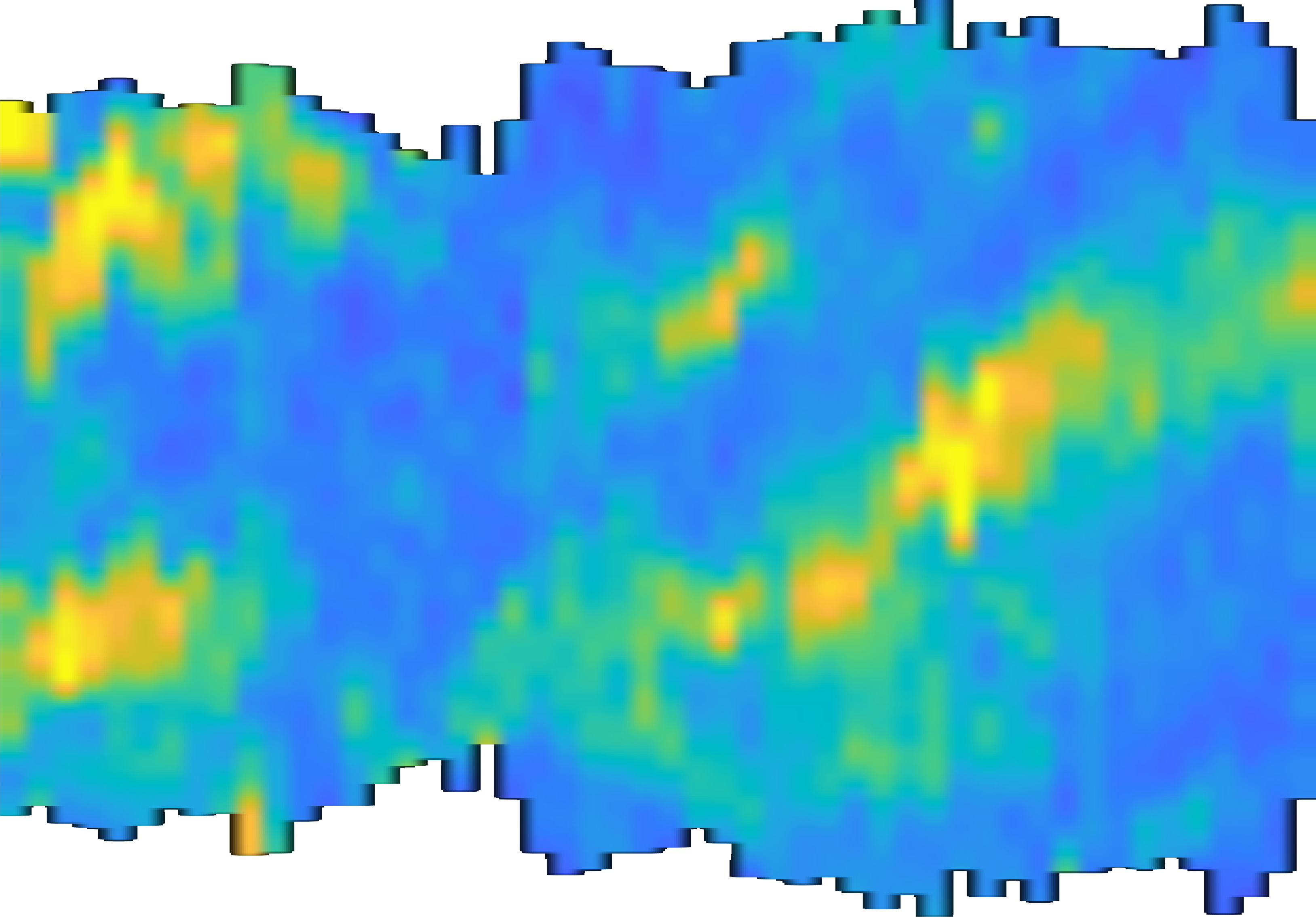
In 1952, Alan Turing introduced the world to the theories of pattern formation. In the same year, Hodgkin and Huxley came up with the excitable network hypothesis to explain the action potential propagation in neurons. During past six decades, the concept that cellular processes are controlled by networks of interacting components has grown as a discipline and has shaped overall cell biology. With the advent of new microscopy techniques, synthetic biology tools, and sophisticated machine learning algorithms, nowadays feedback loops linking numerous genetic components are being identified at an increasing rate. We are beginning to learn how these complex feedback loops bring about the self-organizing patterns that regulate a wide array of processes such as cell migration, polarity, cytokinesis, endocytosis, cell cycle regulation, and differentiation. In this session, we plan to bring together experts in molecular cell biology, membrane biophysics, developmental biology, bioinformatics, and control theory to explore the feedback networks in several signal transduction and cytoskeletal systems and to learn how biological self-organization can orchestrate the spatiotemporal dynamics of various physiological processes. We will also focus on understanding how different chemical, mechanical, or electrical cues can influence the strengths of these autonomous networks to elicit dramatic phenotypic changes in broad range of systems, from single cell organisms to human stem cells.
Full program of the meeting is available here.