|
Rotating
Leadership and Collaborative Innovation:
|
|
|
|
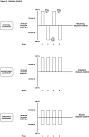
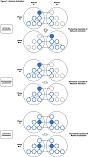
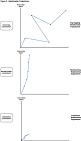
ABSTRACT Technological collaborations between organizations are central to the development of innovations in open and dynamic environments. Yet, how innovations emerge collaboratively has not been well explored. Using a multiple case, inductive study of eight technology collaborations between ten organizations in the computing and communications industries, this paper examines why some interorganizational relationships engender innovations while others do not. Comparisons of more and less innovative collaborations show that collaborative innovation involves more than possessing the appropriate structural antecedents (e.g., R&D capabilities, social embeddedness). Rather, it also involves dynamic organizational processes that address mechanisms that solve critical innovation problems related to recombination across boundaries. While domineering and consensus leadership processes are associated with less innovation, a rotating leadership process is associated with more innovation. It involves alternating decision control that access the complementary capabilities of both partner organizations, zig-zagging objectives that engender deep and broad technological search for potential innovations, and fluctuating network cascades that mobilize different participants who bring variable inputs to recombination. Broader contributions include identifying recombination mechanisms in the organization of collaborative innovation, explaining the performance of dynamic interorganizational ties, and describing how organizations develop symbiotic relationships that overcome the tendency of long-lived relationships towards inertia. Comments are welcome. Return to Jason's Webpage or Collaborative Innovation Project Page |
|
|