Skip to content ↓
Menu
What are you looking for?

Spotlight: Oct 6, 2026

Observations of a star slowly snacking on a brown dwarf show a new way that stars and their planetary companions can interact: “Instead of swallowing the thing up, the star can gradually eat it, for billions of years,” Kevin Burdge says.

Research and Education that Matter

The startup Encora Therapeutics began as a project in 2.009, MIT’s iconic product-design class, to help people with Parkinson's disease. Now, nine years later, the FDA has cleared Encora’s device to help adults with essential tremor. 


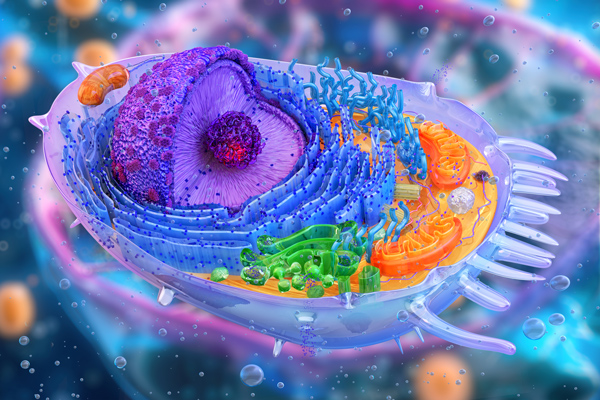
Researchers developed a noninvasive way to identify senescent cells — which are still alive but have stopped dividing — within aging tissue. The advance could help diagnose age-related disorders and guide scientists working on new treatments.

Always up for a challenge, Braedon Rudolph ’26 double majored in physics and economics before commissioning as an officer in the Marines. He also played lacrosse, composed music, and consulted for nuclear energy organizations.

AeroAstro PhD student Lanie McKinney works to help humans explore Mars — and return home. “If we don’t build gas stations on Mars, it will be very difficult to get humans back to Earth,” she says. “We’re going to need some way to produce the propellant on site.”

This fact sheet offers a high-level summary of the many steps MIT leaders have taken to support our vibrant Jewish community.

MIT’s vital research and education — on topics such as human health, energy innovation, quantum computing, and advanced manufacturing — continue to advance national security, economic competitiveness, and quality of life for all Americans.