Research and Education that Matter
In the last decade, scientists have shown that fusion energy can work. Next question: Can it work economically? A new MIT study proposes a framework for understanding what’s needed to make fusion energy commercially viable in the marketplace.
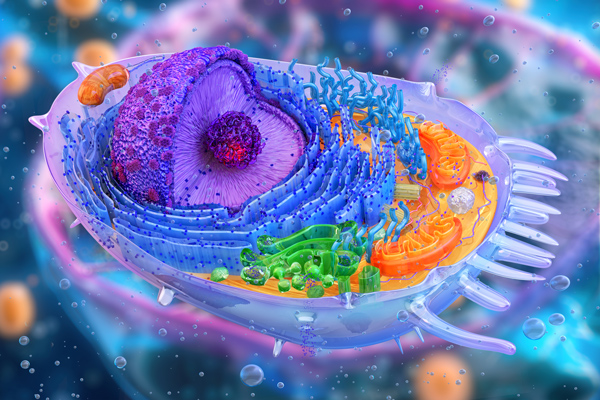
Through a 10-year effort, researchers developed nearly 700 new cancer models derived from patient tumors, which they hope will advance new, targeted treatments. Representing 25 different cancers, the cells are available for scientists around the world to use.
For DMSE’s Hugh Smith, building an energy-secure future isn’t about creating the best battery; it’s about designing the right battery for the right job. He’s working to develop sodium-ion batteries, whose components are abundant and accessible.
In the Navy, Lauren Fortier supervised nuclear plant operations on a U.S. aircraft carrier in the South China Sea. Now an NSE PhD student, she’s building on that experience to solve a critical hurdle in the wider adoption of nuclear energy.
This fact sheet offers a high-level summary of the many steps MIT leaders have taken to support our vibrant Jewish community.
MIT’s vital research and education — on topics such as human health, energy innovation, quantum computing, and advanced manufacturing — continue to advance national security, economic competitiveness, and quality of life for all Americans.