165

Chief of AI · St. Jude
Renato Umeton, Ph.D.
Vice President of Data Sciences and Chief of Artificial Intelligence, Office of Data Science, St. Jude Children's Research Hospital
We are hiring
Building the AI and data science team at St. Jude
St. Jude has more than 20 open data science and AI roles in Memphis (St. Jude careers, October 2026), including an Agentic AI Scientist and roles in survivorship data science (faculty), bioimage informatics, genomics infrastructure, AI product management and quantum-focused education. Open roles and the fastest route to me are on LinkedIn.
See open roles and get in touch on LinkedIn → All St. Jude jobs →Renato Umeton is Vice President of Data Sciences and Chief of Artificial Intelligence in the Office of Data Science at St. Jude Children's Research Hospital, which he joined in 2025 as its first Chief of AI.
Before St. Jude he was Director of AI Operations and Data Science Services in the Informatics & Analytics department at Dana-Farber Cancer Institute, a teaching affiliate of Harvard Medical School, where he built the department's AI and data science practice from one person to roughly forty people at its peak. He holds academic appointments at the Harvard T.H. Chan School of Public Health and MIT.
The record below is newest first, and read in that order it runs backward through a career. The most recent papers put large language models in front of oncologists and pathologists; the earliest, from 2007, model lava flows with cellular automata on the slopes of Mount Etna. The turn from physics toward medicine came from something Renato recognized early: he had excellent technical answers but, on his own, poor questions — and the best questions belong to biologists and clinicians. Working alongside them is what gave the methods somewhere consequential to land. The constant underneath is optimization and machine learning aimed at systems too large, too noisy, or too consequential to reason about by hand — physical systems first, then biological ones, and now the clinical and operational systems that surround a patient.
He earned a B.S. and an M.S. in Computer Science and a Ph.D. in Mathematics and Informatics, all at the University of Calabria, Italy.
- 165 works
- 2007–2026 (20 years)
- 72 venues
- 141 linked to publisher
20072026
Publications
2026
6 works164
163
162
M3: Conversational LLMs simplify secure clinical data access, understanding, and analysis
PLOS Digital Health 5 (9), e0001671
161
Machine Learning, Optimization, and Data Science: 11th International Conference, LOD 2025, Part I
Book - Springer Nature
doi:10.1007/978-3-032-21477-5edited volume
160
Machine Learning, Optimization, and Data Science: 11th International Conference, LOD 2025, Part II
Book - Springer Nature
doi:10.1007/978-3-032-21480-5edited volume
2025
14 works159
158
157
156
Beyond diagnosis: Evaluating multimodal LLMs for pathology localization in chest radiographs
Proceedings of Machine Learning Research 297, 572
155
154
The TRIPOD-LLM reporting guideline for studies using large language models
Nature Medicine 31 (1), 60-69
153
152
151
A disease-specific convergence of host and Epstein–Barr virus genetics in multiple sclerosis
Proceedings of the National Academy of Sciences 122 (14), e2418783122
150
149
148
Machine Learning, Optimization, and Data Science: 10th International Conference, LOD 2024, Part I
Book - Springer Nature
doi:10.1007/978-3-031-82481-4edited volume
147
Machine Learning, Optimization, and Data Science: 10th International Conference, LOD 2024, Part II
Book - Springer Nature
doi:10.1007/978-3-031-82484-5edited volume
146
Machine Learning, Optimization, and Data Science: 10th International Conference, LOD 2024, Part III
Book - Springer Nature
doi:10.1007/978-3-031-82487-6edited volume
2024
7 works145
144
ChatGPT for digital pathology research
The Lancet Digital Health 6 (8), e595-e600
143
GPT-4 in a cancer center—institute-wide deployment challenges and lessons learned
NEJM AI 1 (4), AIcs2300191
142
Advancing Breast Oncology Research through Digital Pathology Integration
Laboratory Investigation 104 (3), S1557
141
Genomic and Immunophenotypic Landscape of Acquired Resistance to PD-(L) 1 Blockade in Non–Small-Cell Lung Cancer
Journal of Clinical Oncology, 23.00580
140
139
2023
10 works138
Federated benchmarking of medical artificial intelligence with MedPerf
Nature Machine Intelligence 5, 799
137
136
GaNDLF: the generally nuanced deep learning framework for scalable end-to-end clinical workflows
Communications Engineering 2, 23
135
Measuring Palliative Care Communication via Telehealth: A Pilot Study
Journal of Pain and Symptom Management 66, E155
134
Genomic and immunophenotypic landscape of acquired resistance to PD-(L) 1 blockade in non-small cell lung cancer
Cancer Research 83 (7_Supplement), 6629-6629
133
132
Machine Learning, Optimization, and Data Science: 8th International Workshop, LOD 2022, Certosa di Pontignano, Italy, September 19–22, 2022, Revised Selected Papers, Part I
Book - Springer 13810 (http://dx.doi.org/10.1007/978-3-031-25599-1)
doi:10.1007/978-3-031-25599-1edited volume
131
Machine Learning, Optimization, and Data Science: 8th International Workshop, LOD 2022, Certosa di Pontignano, Italy, September 19–22, 2022, Revised Selected Papers, Part II
Book - Springer 13811 (http://dx.doi.org/10.1007/978-3-031-25891-6)
doi:10.1007/978-3-031-25891-6edited volume
130
129
2022
17 works128
Circulating U13 small nucleolar RNA as a potential biomarker in huntington’s disease: a pilot study
International Journal of Molecular Sciences 23 (20), 12440
127
126
125
GWAS Variants, Non-genetic Factors, and Transient Transcriptome in Multiple Sclerosis Etiopathogenesis
European Journal of Neurology 29, 456-457
124
123
A multi-omics signature for patients’ risk classification in prostate cancer
Cancer Research 82 (12), 5858
122
Associations between family member involvement and outcomes of patients admitted to the intensive care unit: retrospective cohort study
JMIR Medical Informatics 10 (6), e33921
121
120
119
Deep learning for cancer symptoms monitoring on the basis of electronic health record unstructured clinical notes
JCO Clinical Cancer Informatics 6, e2100136
118
Multiple sclerosis genetic and non-genetic factors interact through the transient transcriptome
Scientific Reports 12 (1), 7536
117
116
115
Machine Learning, Optimization, and Data Science: 7th International Conference, LOD 2021, Grasmere, UK, October 4-8, 2021, Revised Selected Papers, Part I
Book - Springer 13163 (http://doi.org/10.1007/978-3-030-95467-3), 1-644
doi:10.1007/978-3-030-95467-3edited volume
114
Machine Learning, Optimization, and Data Science: 7th International Conference, LOD 2021, Grasmere, UK, October 4-8, 2021, Revised Selected Papers, Part II
Book - Springer 13164 (http://doi.org/10.1007/978-3-030-95470-3), 1-548
doi:10.1007/978-3-030-95470-3edited volume
113
112
2021
16 works111
110
Applying Self-Supervised Learning to Medicine: Review of the State of the Art and Medical Implementations
Informatics 8 (3, Machine Learning in Healthcare), 59
109
108
Metabolomics of Prostate Cancer Gleason Score in Tumor Tissue and Serum
Molecular Cancer Research
107
106
Identification and management of pathogenic mutations in BRCA1, BRCA2, and PALB2 in a tumor-only genomic testing program.
Journal of Clinical Oncology 39 (15_suppl), 10528-10528
105
104
Machine Learning, Optimization, and Data Science (6th International Conference, LOD 2020, Siena, Italy, July 19–23, 2020, Revised Selected Papers, Part I)
Book - Springer 12565 (http://doi.org/10.1007/978-3-030-64583-0), 1-740
doi:10.1007/978-3-030-64583-0edited volume
103
Machine Learning, Optimization, and Data Science (6th International Conference, LOD 2020, Siena, Italy, July 19–23, 2020, Revised Selected Papers, Part II)
Book - Springer 12566 (http://doi.org/10.1007/978-3-030-64580-9), 1-666
doi:10.1007/978-3-030-64580-9edited volume
102
Using Distributionally Robust Optimization to improve robustness in cancer pathology
NeurIPS 2021 Workshop on Distribution Shifts: Connecting Methods and …
101
100
099
Associations Between Family Member Involvement and Outcomes of Patients Admitted to the Intensive Care Unit: Retrospective Cohort Study
Journal of Medical Internet Research, 33921
098
Correction to: Machine Learning, Optimization, and Data Science
Machine Learning, Optimization, and Data Science, C1-C1
097
096
Circulating hsa-miR-323b-3p in Huntington's Disease: A Pilot Study
Frontiers in Neurology 12, 492
2020
11 works095
Machine Learning, Optimization, and Data Science (5th International Conference, LOD 2019, Siena, Italy, September 10–13, 2019, Proceedings)
Book - Springer 11943 (http://doi.org/10.1007/978-3-030-37599-7), 1-772
doi:10.1007/978-3-030-37599-7edited volume
094
Automated Machine Learning: Review of the State-of-the-Art and Opportunities for Healthcare
Artificial Intelligence in Medicine, 101822
093
092
Clinical pan-cancer assessment of mismatch repair deficiency using tumor-only, targeted next-generation sequencing
JCO Precision Oncology 4, 1084-1097
091
090
Impact of DNA damage response and repair (DDR) gene mutations on efficacy of PD-(L) 1 immune checkpoint inhibition in non–small cell lung cancer
Clinical Cancer Research 26 (15), 4135-4142
089
088
Molecular Mechanisms of Acquired Resistance to MET Tyrosine Kinase Inhibitors in Patients with MET Exon 14–Mutant NSCLC
Clinical Cancer Research 26 (11), 2615
087
086
085
Operationalizing Artificial Intelligence: Lessons Learned at Dana-Farber Cancer Institute
American Medical Informatics Association (AMIA)
2019
16 works084
Machine Learning, Optimization, and Data Science (4th International Conference, LOD 2018, Volterra, Italy, September 13-16, 2018, Revised Selected Papers)
Book - Springer 11331 (http://doi.org/10.1007/978-3-030-13709-0), 1-584
doi:10.1007/978-3-030-13709-0edited volume
083
Clinicopathological and genomic correlates of PD-L1 expression in nonsquamous non-small cell lung cancer
Journal for Immunotherapy of Cancer 7
082
Use of targeted next generation sequencing to characterize tumor mutational burden and efficacy of immune checkpoint inhibition in small cell lung cancer
Journal for Immunotherapy of Cancer 7 (1), 87
081
080
Comparison of Clinicopathological and Genomic Characteristics Between NSCLCs with a PD-L1 Tumor Proportion Score of≥ 90% vs< 1%
Journal of Thoracic Oncology 14 (10), S720
079
Mechanisms of Resistance to MET Tyrosine Kinase Inhibitors in Patients with MET Exon 14 Mutant Non-Small Cell Lung Cancer
Journal of Thoracic Oncology 14 (10), S285
078
DNA Damage Response Gene Alterations Are Associated with High Tumor Mutational Burden and Clinical Benefit from PD-1 Axis Inhibition in NSCLC
Journal of Thoracic Oncology 14 (10), S439
077
Immune-Related Adverse Events and Clinical Outcome to Anti PD-1 Axis Inhibition in SCLC: A Multicenter Retrospective Analysis
Journal of Thoracic Oncology 14 (10), S213
076
075
074
073
072
071
Mutational analysis of 472 urothelial carcinoma across grades and anatomic sites
Clinical Cancer Research 25 (8), 2458
070
069
Genome-Wide Multiple Sclerosis Association Data and Coagulation
Frontiers in Neurology 10, 95
2018
11 works068
Machine Learning, Optimization, and Big Data (Third International Conference, MOD 2017, Volterra, Italy, September 14–17, 2017, Revised Selected Papers)
Book - Springer 10710 (http://doi.org/10.1007/978-3-319-72926-8), 1-621
doi:10.1007/978-3-319-72926-8edited volume
067
066
065
Investigating the gene-environment interaction in multiple sclerosis through a" candidate-interactome" approach
Multiple Sclerosis Journal 24, 192-193
064
Multiple sclerosis: Epstein-Barr virus variants' role to understand the etiology
Multiple Sclerosis Journal 24, 397-398
063
Efficacy and Genomic Correlates of Response to Anti-PD1/PD-L1 Blockade in Non-Small Cell Lung Cancers Harboring Targetable Oncogenes
Journal of Thoracic Oncology 13 (10), S422
062
061
Comprehensive genomic characterization of urothelial carcinomas
Journal of Clinical Oncology 36 (15), 4527
060
Fractal analysis of retinal vascular morphology in multiple sclerosis
Multiple Sclerosis Journal 24, 370
059
058
Intestinal Permeability in Relapsing-Remitting Multiple Sclerosis
Neurotherapeutics, 1-7
2017
6 works057
Different environmental stimuli may activate common biological processes potentially involved in multiple sclerosis
Multiple Sclerosis Journal 23, 210
056
The gut microbiome in active and stable relapsing multiple sclerosis
Multiple Sclerosis Journal 23, 518
055
054
053
Altered intestinal permeability in patients with relapsing–remitting multiple sclerosis: A pilot study
Multiple Sclerosis Journal 23 (3), 442-446
052
2016
3 works051
Gene-environment interaction study in multiple sclerosis using a" candidate-interactome" approach
Multiple Sclerosis Journal 22, 191-192
050
049
2015
3 works048
IFN-β and multiple sclerosis: from etiology to therapy and back
Cytokine & Growth Factor Reviews 26 (2), 221-228
047
Epstein-Barr virus genetic variants are associated with multiple sclerosis.
Neurology 31 (84), 1362-8
046
Novel method for automated analysis of retinal images: results in subjects with hypertensive retinopathy and CADASIL
BioMed Research International 2015 (1), 752957
2014
4 works045
B cell IRF1 pathway is dysregulated in multiple sclerosis
Journal of Neuroimmunology 275 (1), 1
044
Noise in multiple sclerosis: unwanted and necessary
Annals of Clinical and Translational Neurology 1 (7), 502-511
043
042
Epstein Barr virus genotipic variants and uses thereof as risk predictors, biomarkers and therapeutic targets of multiple sclerosis
EU patent application PCT/IB2014/060489 (WO 2014/162304)
2013
13 works041
040
In silico modeling of shear-stress-induced nitric oxide production in endothelial cells through systems biology
Biophysical Journal 104 (10), 2295-2306
039
Efficient behavior of photosynthetic organelles via Pareto optimality, identifiability, and sensitivity analysis
ACS Synthetic Biology 2 (5), 274-288
038
037
Automated Analysis of Retinal Photographs: Results in Subjects with Hypertensive Retinopathy and CADASIL (P06. 009)
Neurology 80 (7_supplement), P06. 009-P06. 009
036
Automated Analysis of Retinal Photographs: Results in Subjects with Hypertensive Retinopathy and CADASIL (IN4-1.001)
Neurology 80 (7_supplement), IN4-1.001-IN4-1.001
035
034
Drug repositioning and computational analysis for myelin disease regenerative therapies
Multiple Sclerosis Journal
033
A mechanistic, stochastic model helps understand multiple sclerosis course and pathogenesis
International Journal of Genomics 2013 (1), 910321
032
031
Method for the determination of a fractal dimension of a predetermined area around the optic nerve
IT patent application RM2013A000038
030
Method for the determination of indices of tortuosity and average diameters of ocular blood vessels
IT patent application RM2013A000039
029
Optical device for the acquisition of images of the ocular fundus, smartphone including the related device and system
IT utility model RM2013U000013
2012
11 works028
OREMPdb: a semantic dictionary of computational pathway models
BMC Bioinformatics 13 (Suppl 4), S6
027
Methylation-dependent PAD2 upregulation in multiple sclerosis peripheral blood
Multiple Sclerosis Journal 18 (3), 299-304
026
Design and implementation of a flow-based system for the analysis of HumanExon and microRNA array chip data
Lecture Notes in Computer Science 7597, 28-29
025
Characterization of Epstein-Barr virus genotypes in multiple sclerosis by 454 deep sequencing
Human Microbiome International Conference
024
023
metaDesign: Bacterial Strain Design Automation Software
International Workshop on Bio-Design Automation (IWBDA)
022
021
020
New enhancers of endogenous remyelination: an extensive in vitro and ex vivo screening
Multiple Sclerosis Journal
019
018
Identification of sensitive enzymes in the photosynthetic carbon metabolism
Advances in Systems Biology, 441-459
2011
7 works017
016
Design of robust metabolic pathways
Proceedings of the 48th Design Automation Conference
015
Design and implementation of a workflow-based system for the analysis of HumanExon and microRNA array chip data
International Conference on Artificial Immune Systems (ICARIS)
014
OREMPdb: a Semantic Dictionary of Runnable Biological Circuits
Bioinformatics Italian Society (BITS)
013
Semantic Queries for Biomedical Pathways
Workshop on Process Algebra and Stochastically Timed Activities (PASTA)
012
Multi-scale Mathematical Modeling to Support Drug Development
IEEE Transactions on Biomedical Engineering
011
Large scale agent-based modeling of the humoral and cellular immune response
International Conference on Artificial Immune Systems (ICARIS)
2010
5 works010
009
Analysis and optimization of c3 photosynthetic carbon metabolism
IEEE International Conference on BioInformatics and BioEngineering (BIBE)
008
A Cross-Format Framework for Consistent Information Integration among Molecular Pathways and Ontologies
World Congress of Biomechanics (WCB)
007
006
OREMP: Ontology Reasoning Engine for Molecular Pathways
International Workshop on Ontology Repositories and Editors for the Semantic Web (ORES)
2008
4 works005
Highway traffic simulator based on cellular automata model: preliminary results and congestion pricing analysis
European Modeling and Simulation Symposium (EMSS)
004
Highway traffic model based on cellular automata: Preliminary simulation results with congestion pricing considerations
European Modeling and Simulation Symposium (EMSS)
003
A Cellular Automata Model for Highway Traffic with Preliminary Results
Italian Workshop on Artificial Life and Evolutionary Computation (WIVACE)
002
Admissible Method for Improved Genetic Search in Cellular Automata Model Hyperparameter Space (AMMISCA): a Strategy in Genetic Calibration with Preliminary Results
Italian Workshop on Artificial Life and Evolutionary Computation (WIVACE)
2007
1 work001
Published in
72 journals, conferences and preprint servers carry this work, from clinical oncology and neurology to bioinformatics, systems biology and machine learning.
- Multiple Sclerosis Journal10
- Cancer Research8
- bioRxiv8
- Journal of Clinical Oncology5
- Clinical Cancer Research5
- Journal of Thoracic Oncology5
- arXiv4
- Annals of Oncology4
- MICCAI3
- Laboratory Investigation3
- Journal for Immunotherapy of Cancer3
- JCO Precision Oncology3
- Journal of Neuroimmunology3
- Neurology3
- PLoS One3
- Nature Medicine2
- Scientific Reports2
- Molecular Cancer Research2
- Frontiers in Neurology2
- ACS Synthetic Biology2
- International Conference on Artificial Immune Systems (ICARIS)2
- European Modeling and Simulation Symposium (EMSS)2
- Italian Workshop on Artificial Life and Evolutionary Computation (WIVACE)2
- Nature Communications1
- Neuro-Oncology1
- PLOS Digital Health1
- Proceedings of Machine Learning Research1
- Proceedings of the National Academy of Sciences1
- Heliyon1
- The Lancet Digital Health1
- NEJM AI1
- Nature Machine Intelligence1
- Communications Engineering1
- Journal of Pain and Symptom Management1
- BJUI Compass1
- Cell Reports Medicine1
- Bio-IT World1
- International Journal of Molecular Sciences1
- European Journal of Neurology1
- JAMA Oncology1
- JMIR Medical Informatics1
- JCO Clinical Cancer Informatics1
- Informatics1
- NeurIPS1
- Journal of the Neurological Sciences1
- Journal of Medical Internet Research1
- Artificial Intelligence in Medicine1
- Genes1
- American Medical Informatics Association (AMIA)1
- Mastology1
- Neurotherapeutics1
- Oncotarget1
- Stroke1
- Cytokine & Growth Factor Reviews1
- BioMed Research International1
- Annals of Clinical and Translational Neurology1
- Biophysical Journal1
- International Journal of Genomics1
- BMC Bioinformatics1
- Human Microbiome International Conference1
- International Workshop on Bio-Design Automation (IWBDA)1
- Advances in Systems Biology1
- Design Automation Conference (DAC)1
- Proceedings of the1
- Bioinformatics Italian Society (BITS)1
- Workshop on Process Algebra and Stochastically Timed Activities (PASTA)1
- IEEE Transactions on Biomedical Engineering1
- IEEE International Conference on BioInformatics and BioEngineering (BIBE)1
- World Congress of Biomechanics (WCB)1
- Journal of Biotechnology1
- International Workshop on Ontology Repositories and Editors for the Semantic Web (ORES)1
- Geophysical Research Abstracts1
The role at St. Jude
St. Jude treats data science and AI as a strategic priority. Its 2022–27 Strategic Plan sets, as Strategic Initiative 3, the goal to “become a leader in the application of data science to biological discovery”. In October 2024 the hospital named its first Chief Data Scientist to lead the newly formed Office of Data Science, which fulfills that goal: a $195 million research enterprise that the hospital's news release said would add 115 positions. In 2025 Renato joined it as St. Jude's first Chief of AI, reporting to the Chief Data Scientist and Senior Vice President of Data Science. He is based in Greater Boston and is hiring in Memphis.
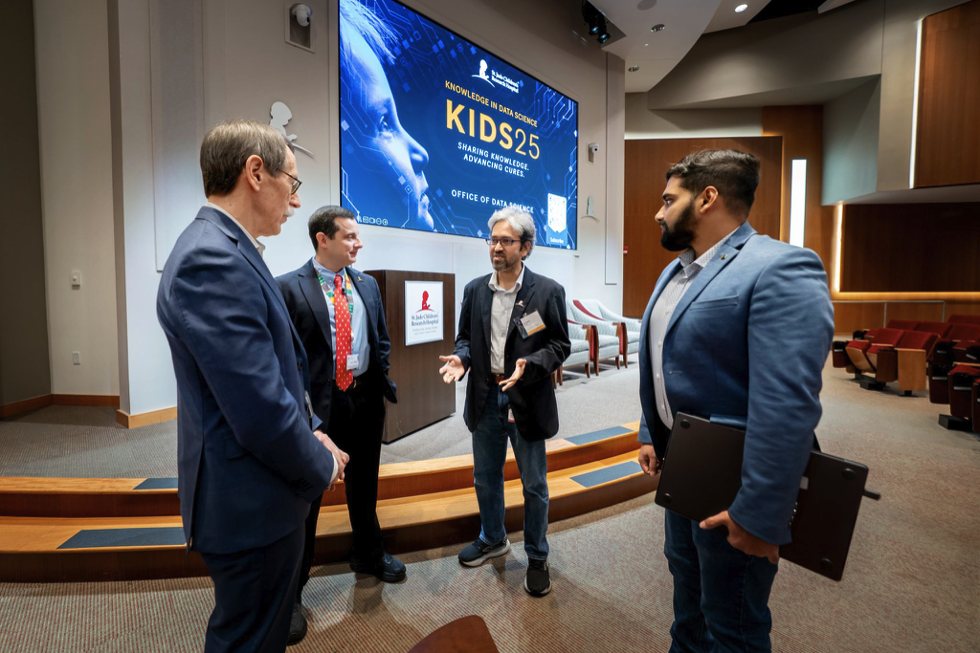
The hospital has used these methods for a long time: its researchers applied advanced image analysis to immune cell studies in 1990, and by the early 2000s machine learning was classifying subtypes of acute lymphoblastic leukemia and linking them to patient outcomes.
His remit covers four areas
- Governance
Governance for every data set, platform and service, whether it belongs to one lab, a department or the whole hospital, so each one is found and used well. Unified data governance bridges fundamental science, translational research, clinical practice and global efforts.
- Data catalog
One place to find St. Jude's data: repositories unified, created and kept current, with navigators who know the data and guide others to it.
- Platforms
Software for research, operations and clinical work, bought or built. Azure Databricks is one starting point among several.
- Services
Training, advice, consulting and hands-on support so teams can bring AI into daily work, with data scientists who can sit inside departments and work next to biologists.
His remit covers four areas: governance, data catalog, platforms, and services.
Around those four sit workforce education and capacity building, data stewardship, and responsible, secure AI. Safeguarding patient and laboratory data stays at the forefront while innovation moves ahead. St. Jude has spent decades reducing the risks of innovation while maximizing its benefits, with a science-driven, iterative approach, and it follows a generative AI policy that matches each tool to its intended use and keeps high-risk clinical uses apart from research and productivity tasks. The long-term aim is large, linked data collections that make AI work possible. The pieces are connected, and the work needs collaboration across the St. Jude community, guided by a long-term vision that puts patients first.
More in St. Jude's interview, “5 Questions for Renato Umeton, PhD” (May 2025). Or jump to the full list of publications.
Selected work
Six threads run through Renato's publication record. Each lists a few representative papers; the number after each one opens its full entry on the Scientific works tab.
Testing AI before patients rely on it
Methods, guidelines and red-team exercises that show how clinical AI and teams of AI agents fail, so hospitals can trust what they deploy.
- Agents Catching Agents: Shortcut Cascades and Benchmark Gaming in Clinical Multi-Agent Systems MICCAI (MedAgent workshop), 2026#164
- The TRIPOD-LLM reporting guideline for studies using large language models Nature Medicine, 2025#154
- ESMO basic requirements for AI-based biomarkers in oncology (EBAI) Annals of Oncology, 2025#155
- Beyond diagnosis: Evaluating multimodal LLMs for pathology localization in chest radiographs Proceedings of Machine Learning Research, 2025#156
- Red Teaming for Generative AI: Report on a Copyright-Focused Exercise Completed in an Academic Medical Center arXiv, 2025#152
Generative AI in cancer care
Large language models at work inside cancer centers: an institute-wide GPT-4 rollout, a private open-source retrieval platform, and guidance for clinical use.
- Democratizing reliable knowledge-seeking with MyGPT: a privacy-first, open-source retrieval-augmented generation platform Nature Communications, 2026#165
- GPT-4 in a cancer center—institute-wide deployment challenges and lessons learned NEJM AI, 2024#143
- ESMO Guidance on the Use of Large Language Models in Clinical Practice (ELCAP) Annals of Oncology, 2025#158
- ChatGPT for digital pathology research The Lancet Digital Health, 2024#144
- M3: Conversational LLMs simplify secure clinical data access, understanding, and analysis PLOS Digital Health, 2026#162
Federated learning and benchmarking
Open tools to train and test medical AI across hospitals without moving patient data, built with MLCommons and partner institutions.
- Federated benchmarking of medical artificial intelligence with MedPerf Nature Machine Intelligence, 2023#138
- GaNDLF: the generally nuanced deep learning framework for scalable end-to-end clinical workflows Communications Engineering, 2023#136
- Collaborative evaluation for performance assessment of medical imaging applications MICCAI (Elsevier book series, Trustworthy AI in Medical Imaging), 2025#149
- A Review of Medical Federated Learning: Applications in Oncology and Cancer Research MICCAI (BrainLes workshop), 2022#126
- A technical policy blueprint for trustworthy decentralized AI arXiv, 2025#157
Machine learning for cancer research
Models and analyses built with Dana-Farber clinicians and labs, from tissue images, clinical notes, health records and tumor sequencing, and a review of AI across neuro-oncology written with the RANO working groups.
- A deep learning algorithm to predict risk of pancreatic cancer from disease trajectories Nature Medicine, 2023#137
- Spatially aware deep learning reveals tumor heterogeneity patterns that encode distinct kidney cancer states Cell Reports Medicine, 2023#130
- Building tools for machine learning and artificial intelligence in cancer research: best practices and a case study with the PathML toolkit for computational pathology Molecular Cancer Research, 2022#116
- Using Distributionally Robust Optimization to improve robustness in cancer pathology NeurIPS (DistShift workshop), 2021#102
- Deep learning for cancer symptoms monitoring on the basis of electronic health record unstructured clinical notes JCO Clinical Cancer Informatics, 2022#119
- Genomic and Immunophenotypic Landscape of Acquired Resistance to PD-(L)1 Blockade in Non–Small-Cell Lung Cancer Journal of Clinical Oncology, 2024#141
- Association of High Tumor Mutation Burden in Non–Small Cell Lung Cancers With Increased Immune Infiltration and Improved Clinical Outcomes of PD-L1 Blockade Across PD-L1 Expression Levels JAMA Oncology, 2022#124
- AI in Neuro-Oncology: An Overarching Review Neuro-Oncology, 2026#163
Multiple sclerosis genetics and immunology
Genome-wide association data for multiple sclerosis read against virus and immune biology, tying Epstein-Barr virus variants and host genes to disease risk.
- A disease-specific convergence of host and Epstein–Barr virus genetics in multiple sclerosis Proceedings of the National Academy of Sciences, 2025#151
- Multiple sclerosis genetic and non-genetic factors interact through the transient transcriptome Scientific Reports, 2022#118
- Epstein-Barr virus genetic variants are associated with multiple sclerosis Neurology, 2015#47
- B cell IRF1 pathway is dysregulated in multiple sclerosis Journal of Neuroimmunology, 2014#45
- A “candidate-interactome” aggregate analysis of genome-wide association data in multiple sclerosis PLoS One, 2013#38
Systems biology and optimization
From his doctoral, MIT and postdoctoral years: modeling and optimizing biological pathways, from photosynthetic metabolism to a semantic dictionary of pathway models.
- Efficient behavior of photosynthetic organelles via Pareto optimality, identifiability, and sensitivity analysis ACS Synthetic Biology, 2013#39
- In silico modeling of shear-stress-induced nitric oxide production in endothelial cells through systems biology Biophysical Journal, 2013#40
- OREMPdb: a semantic dictionary of computational pathway models BMC Bioinformatics, 2012#28
- Multi-scale Mathematical Modeling to Support Drug Development IEEE Transactions on Biomedical Engineering, 2011#12
- Design of robust metabolic pathways Design Automation Conference (DAC), 2011#17




Software and platforms
Software from Renato's teams, collaborations and papers, with his part in each stated plainly. Most are open source. Paper numbers open the full entry on the Scientific works tab.
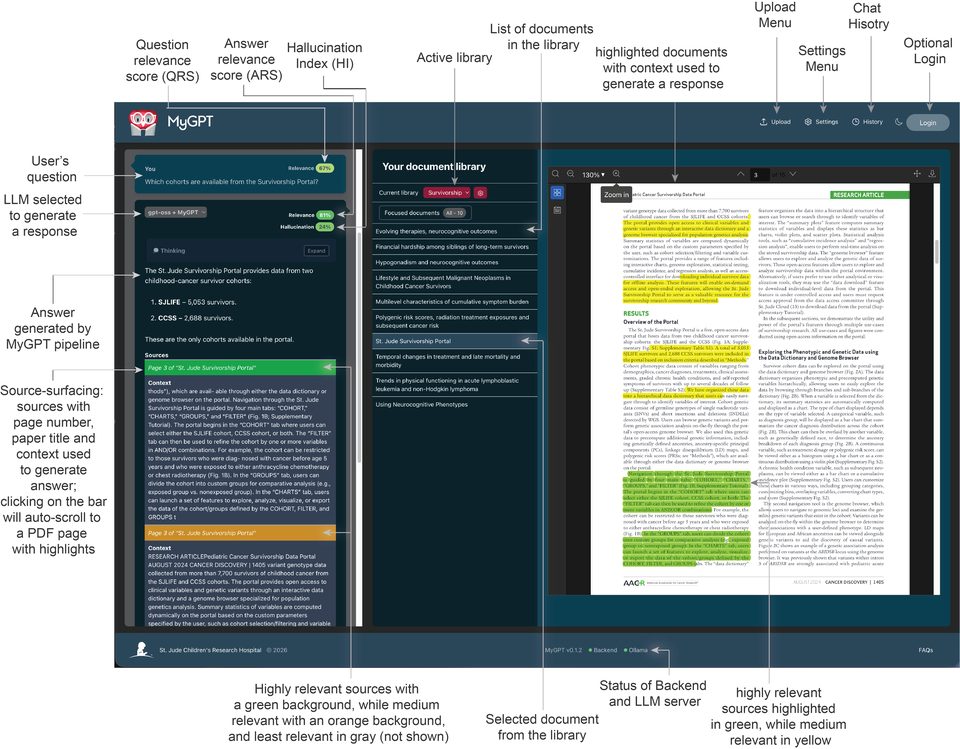
Image: MyGPT project, GPL-3.0 MyGPT 2026
An open-source St. Jude platform that runs open language models locally, cites its sources and scores each answer for relevance and hallucination. Co-author.
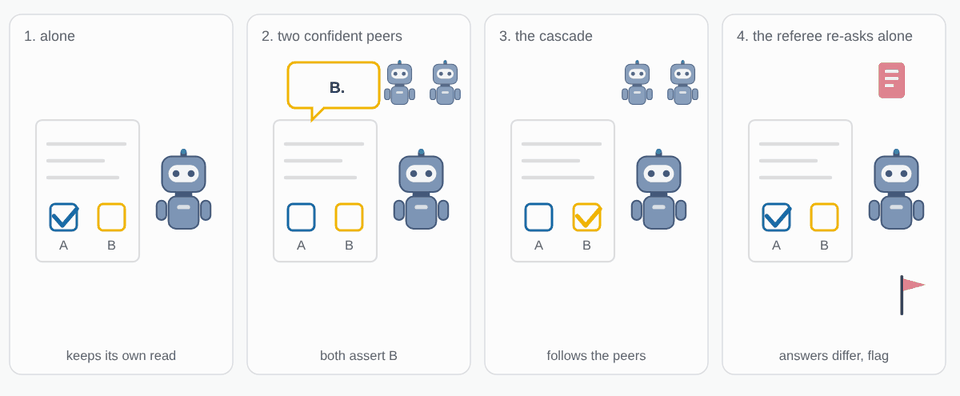
Image: benchmaxxing project, MIT License Agents Catching Agents 2026
Code and data showing how clinical AI agents pass shortcuts to each other and game benchmarks, with a referee that re-asks each question without the pressure and flags answers that change. Co-author and contributor.
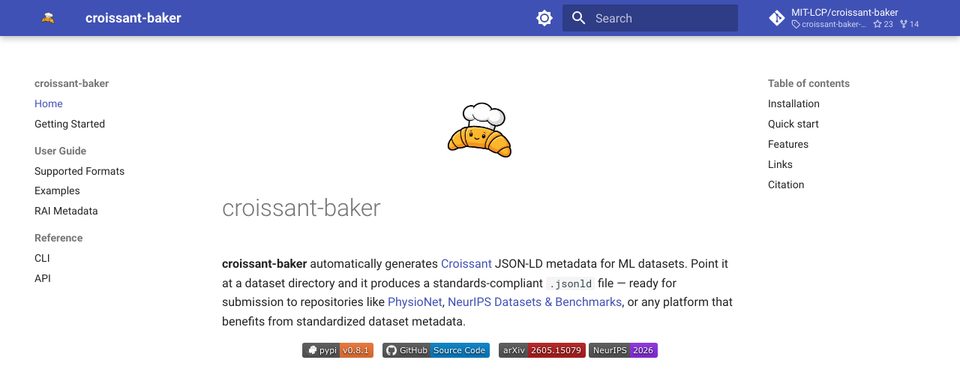
Image: croissant-baker project, MIT License Croissant Baker 2026
Writes Croissant machine learning metadata straight from a folder of files, including DICOM, NIfTI, FHIR and genomics formats. Code contributor (MIT-LCP).
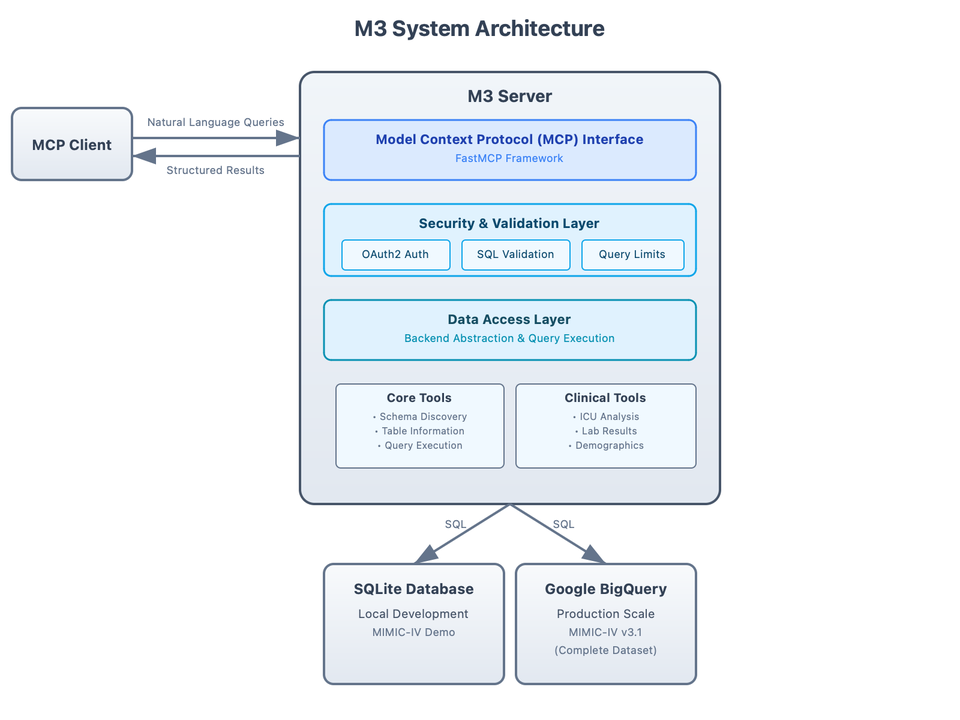
Image: M3 project, MIT License M3 and M4 2025–2026
Lets AI assistants query the MIMIC-IV clinical database in plain language through the Model Context Protocol, locally or in the cloud. Co-author and code contributor.
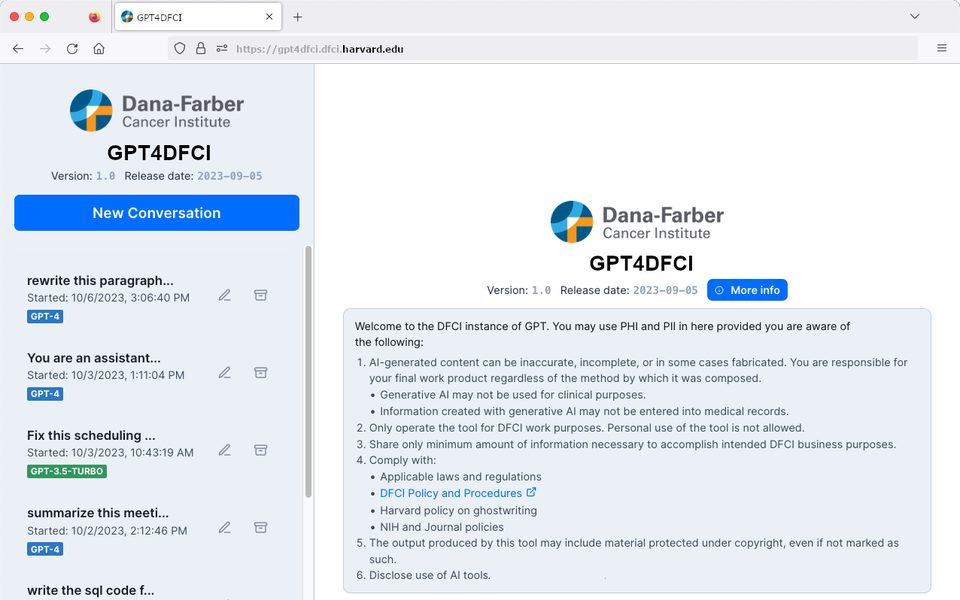
Image: GPT4DFCI project, GPL-2.0 GPT4DFCI 2023–2025
A private, secure generative AI assistant inside Dana-Farber's network, used for operations, administration and research and kept apart from direct patient care. He was product owner, is first author of the paper and published the code.
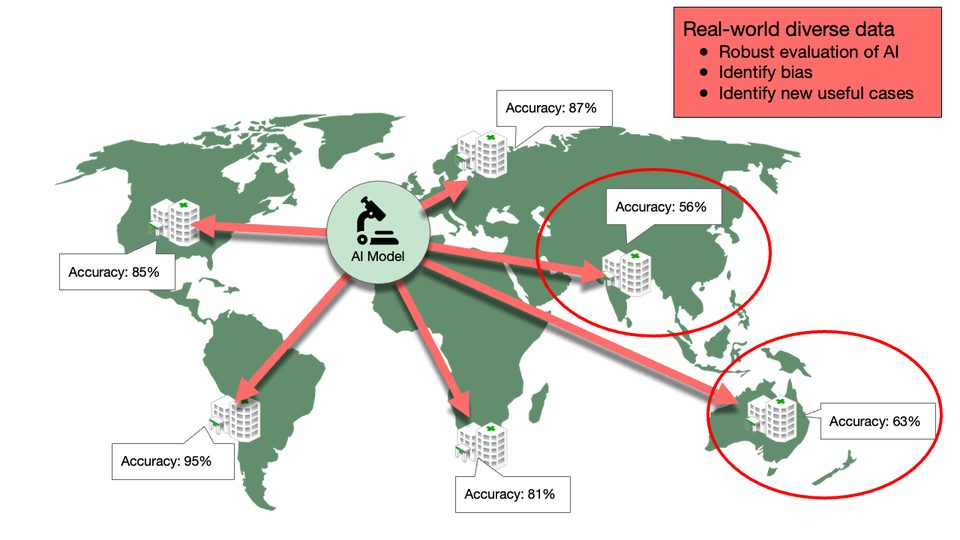
Image: MedPerf project, Apache-2.0 MedPerf 2021–
Open benchmarking for medical AI: models are tested on data held at each hospital, and the data never leave the site. Built by the MLCommons Medical AI working group he co-chairs; co-first author of the Nature Machine Intelligence paper and product owner.
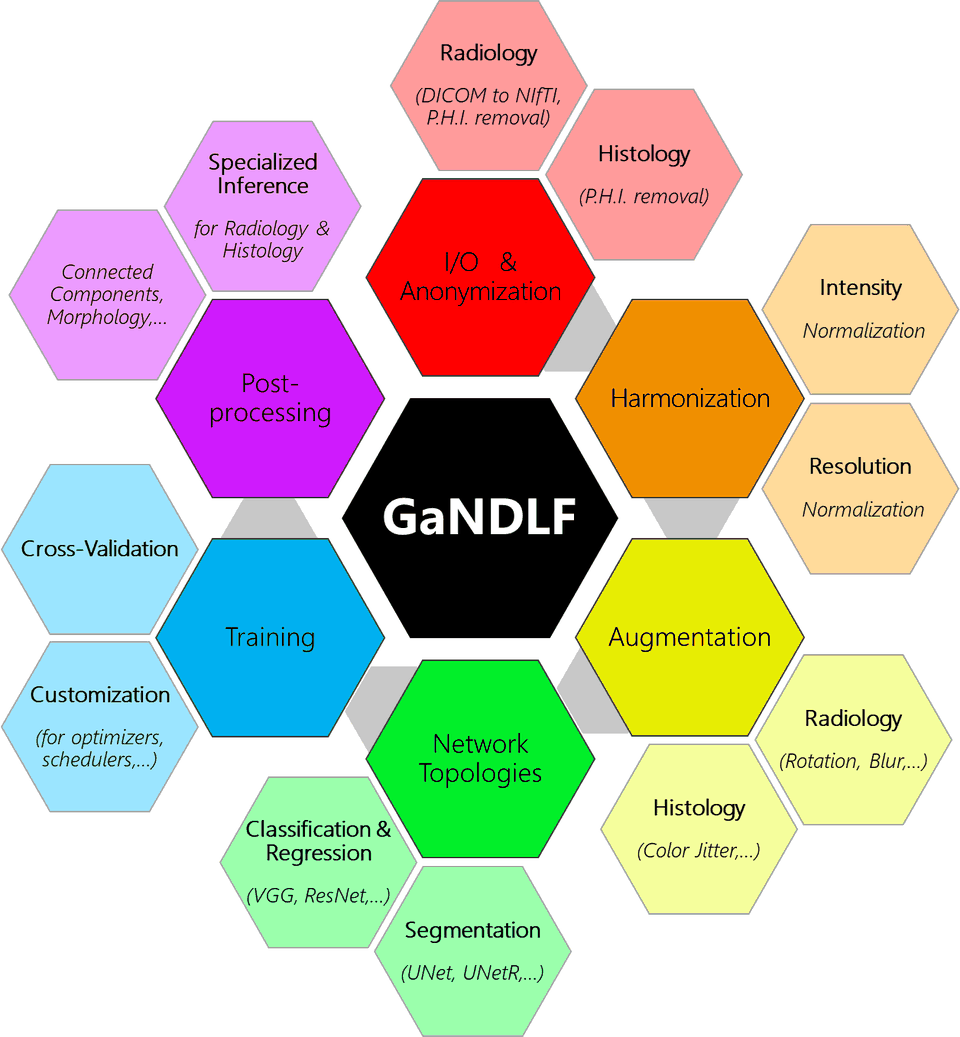
Image: GaNDLF project, Apache-2.0 GaNDLF 2021–
A PyTorch framework for segmentation, regression and classification on medical images with little or no code, now part of MLCommons. Co-author.
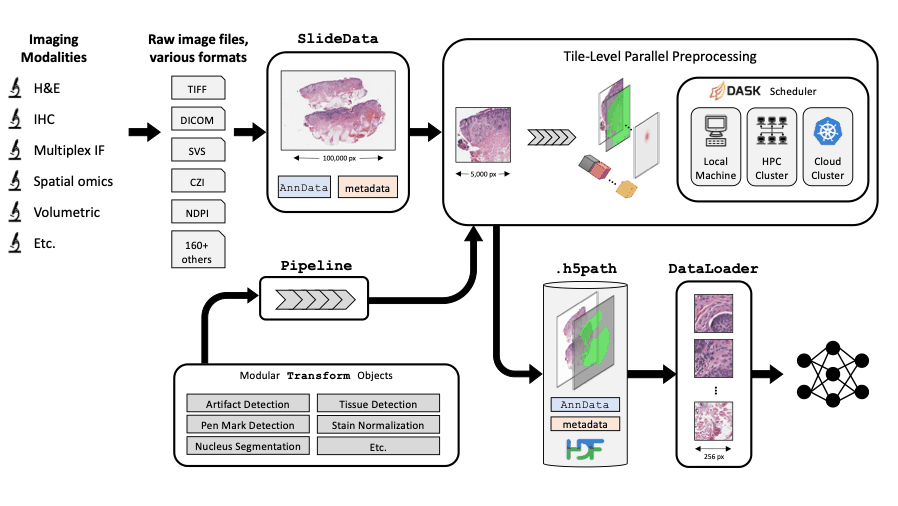
Image: PathML project, GPL-2.0 PathML 2019–
An open-source Python toolkit for computational pathology: whole-slide images, multiplex image analysis and machine learning pipelines. Developed with the Loda lab and hosted by his former Dana-Farber group; co-author and product owner. It ships a Digital Pathology Assistant that helps researchers write PathML analyses.
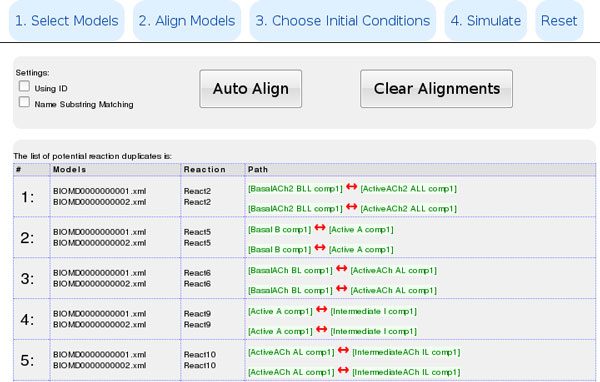
Image: Umeton, Nicosia and Dewey, BMC Bioinformatics 2012, Figure 4, CC BY 2.0 OREMP and OREMPdb 2010–2012
Merged computational pathway models with biomedical ontologies; run over BioModels it produced OREMPdb, a dictionary of 7,360 species sets. First author, at MIT.
dlvhex RDF plugin 2005
Lets HEX logic programs in the dlvhex solver read RDF data from the semantic web. He wrote the first version of its @RDF builtin as a visiting scholar at TU Wien.
Personal projects, all on GitHub:
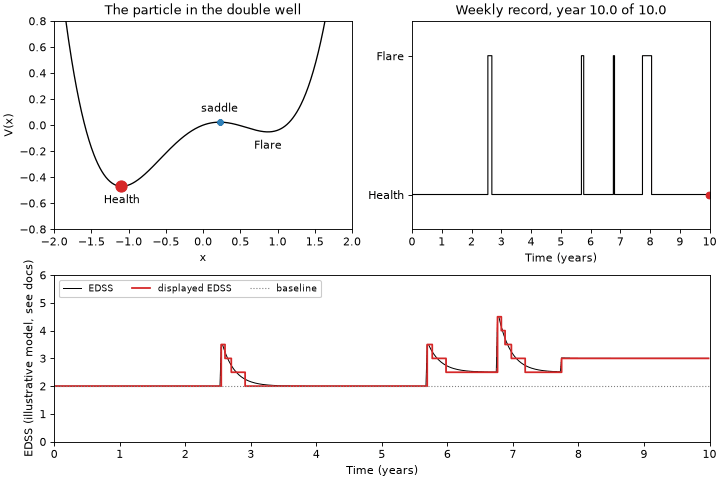
Image: msrelapse project, MIT License msrelapse: a Python version of a 2013 multiple sclerosis model (paper #33)
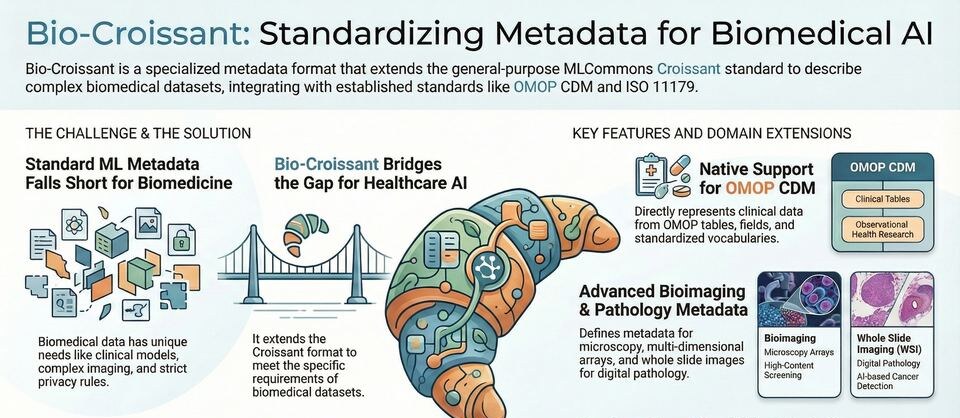
Image: Bio-Croissant to OMOP project, MIT License Bio-Croissant to OMOP: a prototype metadata format for biomedical data sets, with a converter to the OMOP data model
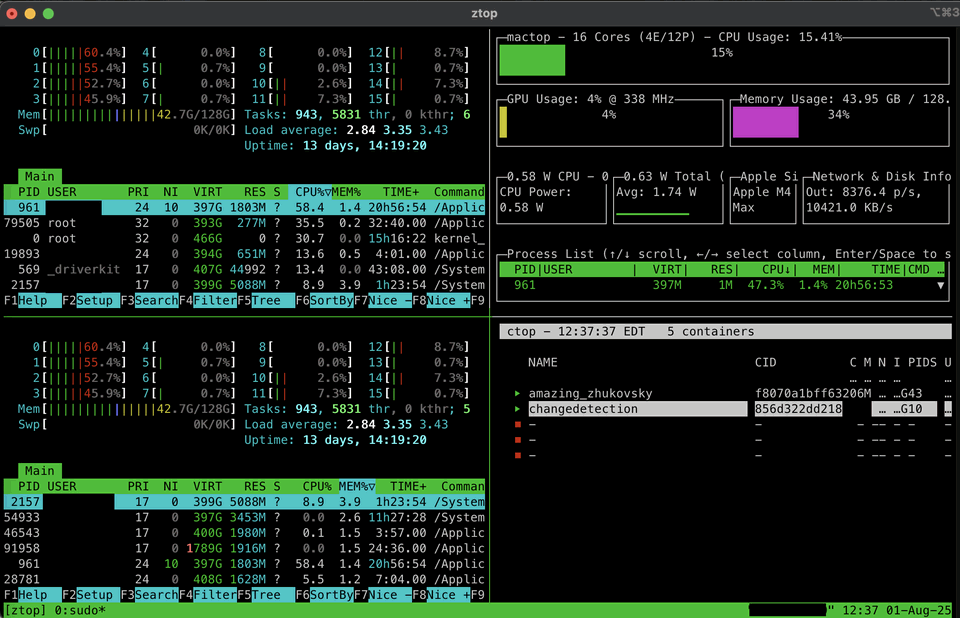
Image: ztop project, MIT License ztop: a terminal system monitor for macOS

Image: aitampermonkey project, BSD-3-Clause aitampermonkey: a browser userscript that adds a floating menu to every web page, to send the page or a selection to AI chatbots, summarize it, or save it as Markdown
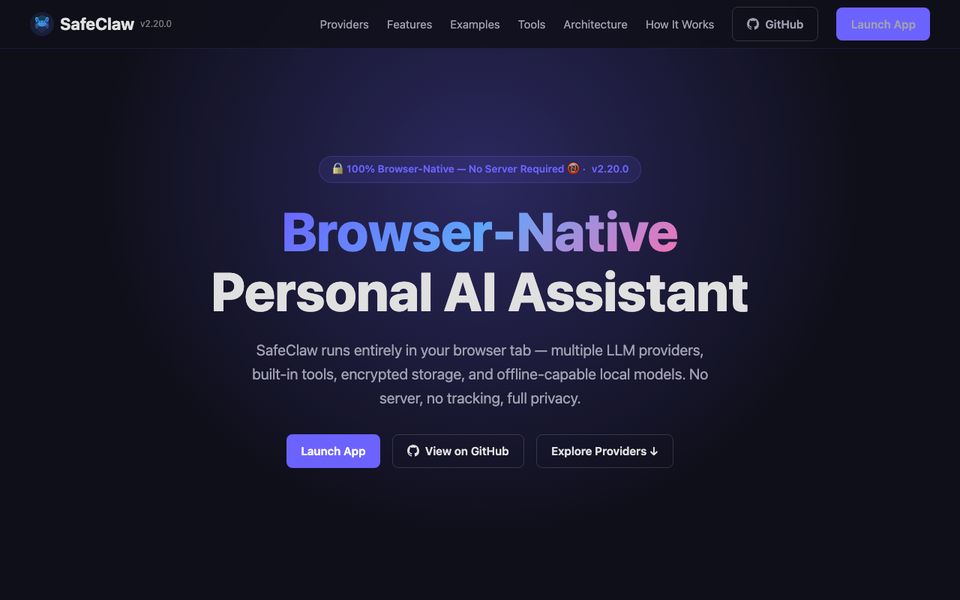
Image: SafeClaw project, MIT License SafeClaw: an AI assistant that runs entirely in the browser, with cloud or local models (alpha)
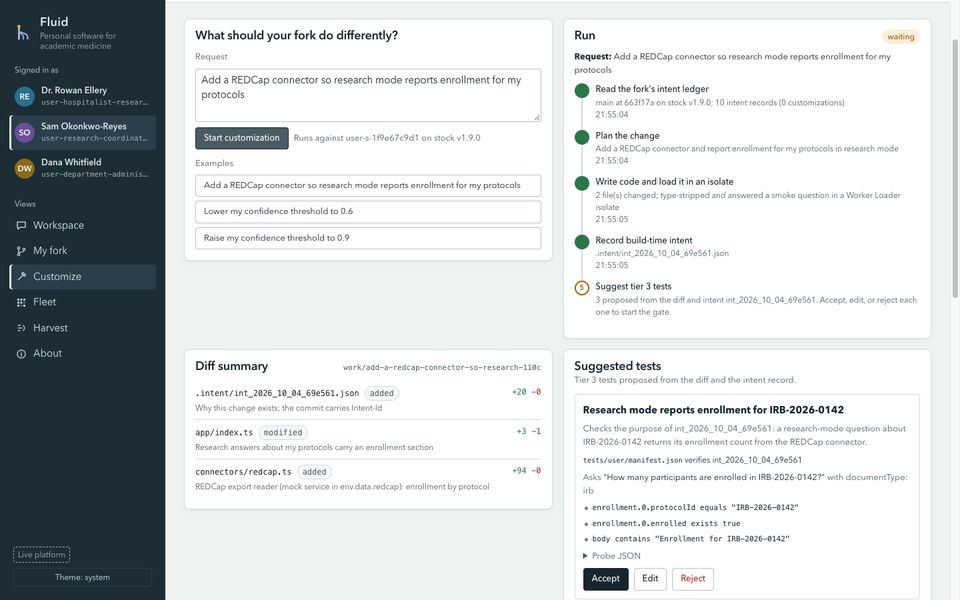
Image: Fluid project, MIT License Fluid: a prototype where every user gets their own version of an app and changes it in plain language; a change goes live only if the app's tests pass
Career and service
Renato's role at St. Jude and his other current roles, newest first, then his career before St. Jude and his education.
Current
 since 2025
Trillion Parameter Consortium: Named by St. Jude as its representative and conduit to a global network of 100+ national labs, universities, institutes, supercomputing centers and companies building frontier-scale AI for science, hosted by Argonne National Laboratory. Coordinates St. Jude's part in its working groups, hackathons and annual all-hands meetings, and connects TPC opportunities to pediatric research priorities. 9 of the 10 most powerful supercomputers on the TOP500 list are part of TPC.
ESMO: New, AI-powered ways to bring medical education to members of the European Society for Medical Oncology. The committee reports to ESMO's Chief Medical Officer and its Board.
National Cancer Institute: Unpaid strategic and technical advice to NCI leadership on AI and machine learning tooling, evaluation methods and federated learning; co-supervises research and mentorship programs that bridge St. Jude and NCI.
HIMSS: Helps HIMSS design, curate and deliver AI education for the healthcare community, including its AI in Healthcare event series.
RISC-V International: Confidential computing and hardware security.
Harvard Innovation Labs: Reviews student and alumni ventures.
MLCommons: Benchmarks and best practices that speed up AI for healthcare, help new markets form and aim to improve patient outcomes and providers' experience. The group builds MedPerf, for federated evaluation and federated learning, and GaNDLF. See the full list of MLCommons members.
Harvard T.H. Chan School of Public Health: Coaching, mentoring, leadership lessons, industry perspective and teaching in the Health Data Science master's program.
Massachusetts Institute of Technology: Advises a group of faculty on scientific questions as they arise in their labs and departments.







Career before St. Jude
- 2018–2025Dana-Farber Cancer Institute: Manager, Data Science (2018–2021), then Associate Director (2021–2023) and Director (2023–2025) of AI Operations and Data Science ServicesIn Boston. Founded the group in the Informatics & Analytics department, reporting to the Chief Data and Analytics Officer, and grew it from one person to about 40 at its peak, temporary staff included. Long term, it bridged research and the clinic with AI built and deployed for the institute; short to medium term, it gave faculty tailored AI and data science support in their labs, centers and departments. From interns to area leads, the team brought AI, data engineering, abstraction and labeling, software, cloud operations, and medical and nursing practice. Its work: automated, multimodal, self-supervised and federated machine learning; large language models and NLP; computer vision on pathology, MRI and CT images; MLOps across clouds; cloud and AI strategy; client management; and tools that take researchers from “X” to “AI-powered X”, among them the institute-wide GPT-4 deployment (GPT4DFCI).

- 2020–2025Affiliate, Weill Cornell MedicineHis teams supported the Department of Pathology and its research divisions in digital and computational pathology, cloud and hybrid research infrastructure strategy, education and data science.

- 2015–2024Bioinformatics and data science consulting
- Jun 2016–Jun 2018Bioinformatics Data Scientist, Mass General BrighamProjects with teams across Partners HealthCare (now Mass General Brigham), Brigham and Women's Hospital and Dana-Farber, with collaborators in clinical and translational informatics, medical oncology, oncologic pathology, cancer biology, cancer immunology and virology, psychosocial oncology and palliative care, and pharmacy. Some were later packaged into institutional research offerings such as the Tumor Mutational Burden data product and the OncDRS Connector; others were considered to improve clinical operations in bioinformatics sequencing and in pharmacy operations and cost optimization.

- 2013–2015Director of Bioinformatics, CytoSolveIn Greater Boston.
- 2011–2013Postdoctoral researcher, Sapienza University of Rome and Sant'Andrea hospitalIn Rome, Italy: clinical and translational research, including multiple sclerosis genetics.


- 2010Ph.D., University of Calabria; visiting scholar at MIT and Microsoft ResearchMIT Biological Engineering (Apr 2009–Oct 2010) and Mechanical Engineering (2009–2010), in Greater Boston, and the Microsoft Research – University of Trento Centre for Computational and Systems Biology (2009), where he modeled the Toll-like receptor, a complex part of the human immune system, with parallel distributed simulations.



- 2005–2008Teaching Assistant, University of Calabria
- 2005Visiting scholar, TU Wien; intern, Lixto, both in Vienna, AustriaIn TU Wien's Knowledge Representation group he wrote the first version of the @RDF builtin for dlvhex, which let DLV logic programs import RDF ontologies from the semantic web (see the Software tab). At Lixto he worked on semantic data extraction from the web with TU Wien's Database and Artificial Intelligence group; Lixto was later acquired by McKinsey & Company and became part of its Periscope offering.


Education
- Essential Management Skills for Emerging Leaders, Harvard Executive EducationHis most recent course.

- 2010Ph.D., Mathematics and Informatics, University of CalabriaThesis: “Optimization & Ontology in Computational & Systems Biology” (entry #10 on the Scientific works tab).
- Biological Engineering and Mechanical Engineering departments, Massachusetts Institute of Technology
- Theoretical Computer Science and Artificial Intelligence, Vienna University of Technology (TU Wien)
- 2005, 2007Bachelor's and Master's degrees in Computer Science, University of Calabria
Service, honors and certifications
- Invited speaker for US federal government departments and Fortune 20 companies.
- Peer reviewer for journals of NEJM Group, Nature Portfolio, Cell Press, IEEE, ACM and Oxford University Press.
- Mentor to more than 50 people, from bootcamp students to MD-PhD candidates, including data science and data engineering mentees in Correlation One's “Data Science for All Women” program (Jan 2019–Dec 2022), which aims to open AI and data science jobs to more people; the work also supported his group's aim of hiring skilled professionals from diverse backgrounds.
- About 19 years in AI, data science and big data (as of 2026), in academic medical centers, consulting and industry, as scientist, manager and executive. Co-inventor on six patent applications, listed on the Scientific works tab, and on many invention disclosures; some of his work has been used in clinical trials or licensed.
- Takes part in academic, industry and government collaborations that aim to widen the good AI and machine learning can do in healthcare.
- MIT-Italy Fellow, part of MISTI (MIT International Science and Technology Initiatives), after winning the yearly competition of the Italian Mathematics Society.
- Engineer of National Interest and Individual with Extraordinary Ability, as recognized by the United States Department of State and Department of Homeland Security.
- Certifications: DS4A Empowerment Mentor Badge, Data Science for All (DS4A) Mentor and DS4A Data Engineering Mentor (Correlation One); IBE Entrepreneurship Program; Mastering the Leadership Challenge.








News
Press coverage and interviews that name Renato Umeton, newest first.
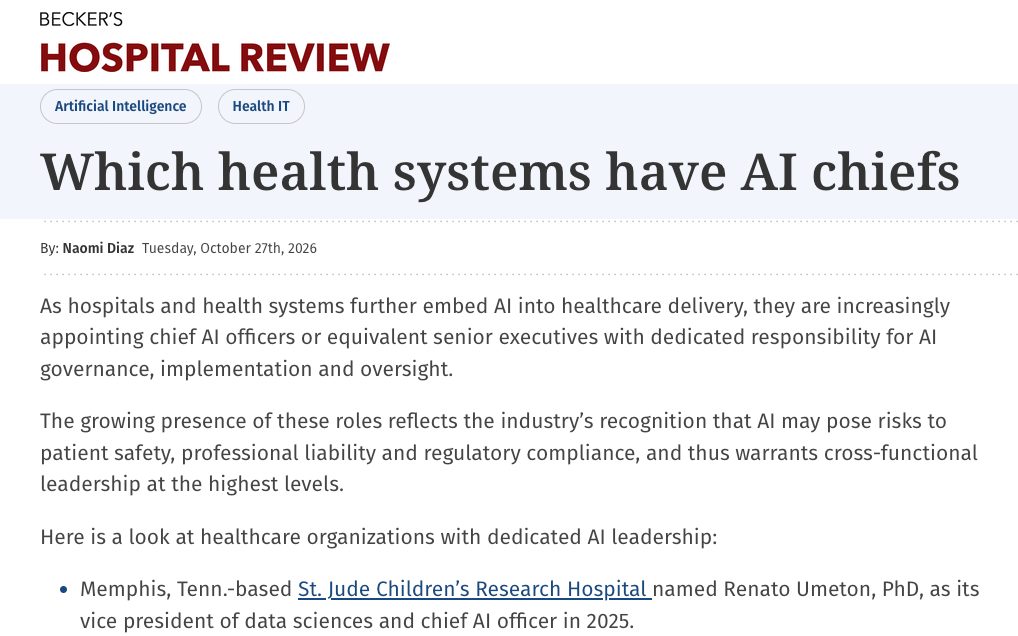
Becker's Hospital Review Oct 2026Becker's Hospital Review, “Who’s leading AI at top health systems”Listed among health system AI leaders, as St. Jude's Chief of AI since 2025.
HPCwire Oct 2025HPCwire, “How St. Jude Harnesses HPC and AI to Transform Pediatric Research and Accelerate Cures”Quoted on St. Jude's Information Services as a partner to the Office of Data Science; sponsored content by HPE.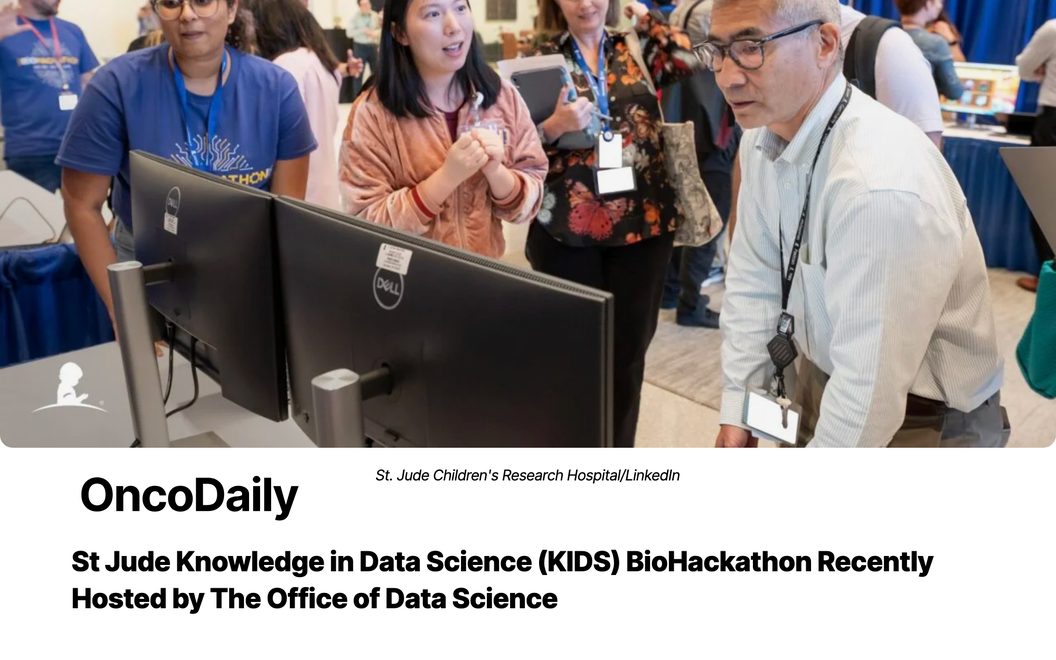
OncoDaily Oct 2025OncoDaily, “St Jude Knowledge in Data Science (KIDS) BioHackathon Recently Hosted by The Office of Data Science”Quoted on the KIDS25 BioHackathon.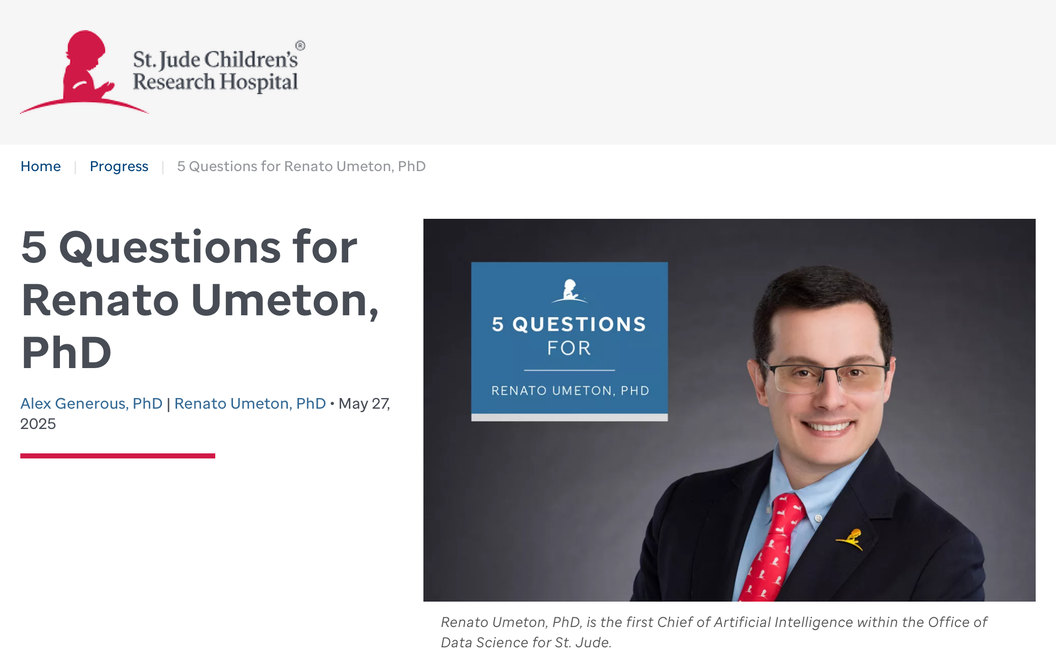
St. Jude Children's Research Hospital (Progress) May 2025St. Jude Children's Research Hospital (Progress), “5 Questions for Renato Umeton, PhD”Interviewed (Q&A).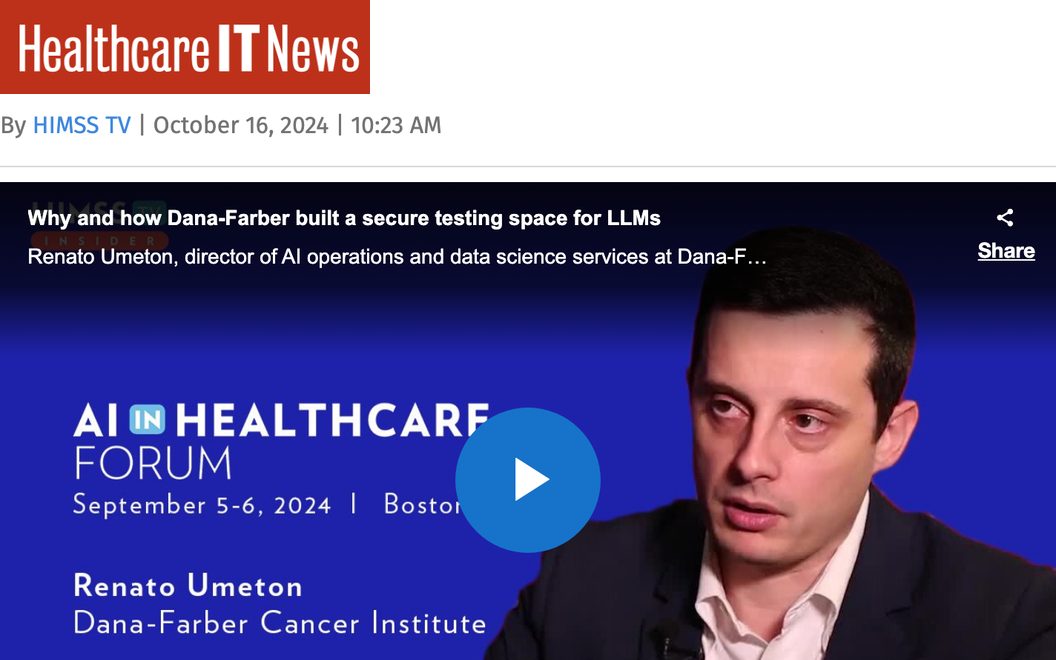
Healthcare IT News (HIMSS TV) Oct 2024Healthcare IT News (HIMSS TV), “Dana-Farber created a secure testing environment for nonclinical LLMs”Video interview.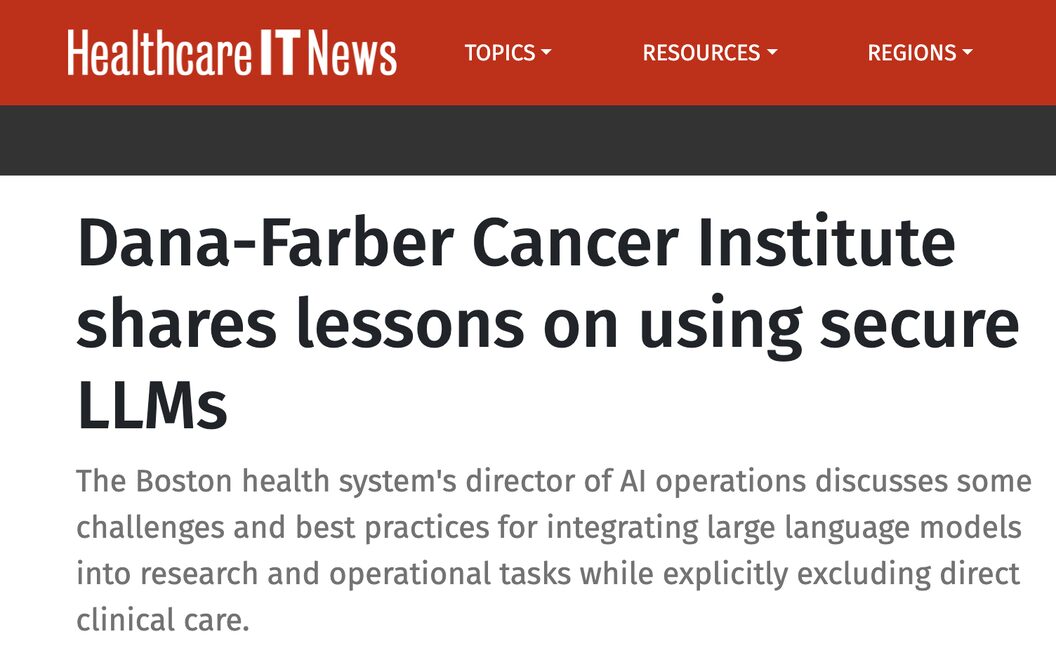
Healthcare IT News Aug 2024Healthcare IT News, “Dana-Farber Cancer Institute shares lessons on using secure LLMs”Interviewed.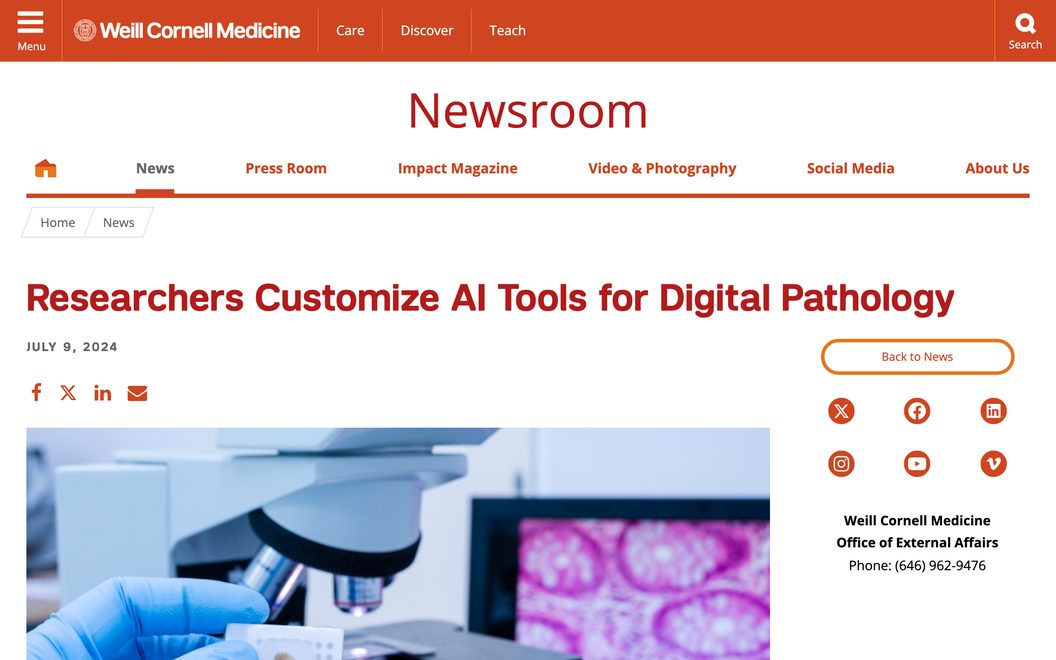
Weill Cornell Medicine Newsroom Jul 2024Weill Cornell Medicine Newsroom, “Researchers Customize AI Tools for Digital Pathology”Corresponding author of the study; quoted.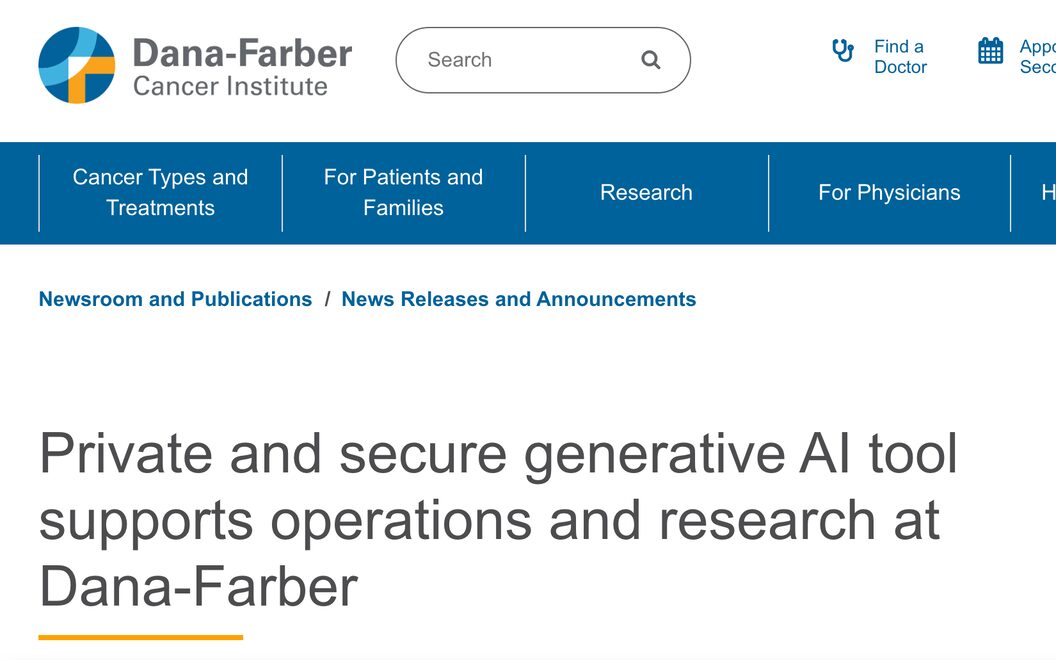
Dana-Farber Cancer Institute Mar 2024Dana-Farber Cancer Institute, “Private and secure generative AI tool supports operations and research at Dana-Farber”First author of the NEJM AI paper on this tool, GPT4DFCI; listed as media expert.
Harvard Medical School May 2023Harvard Medical School, “AI Predicts Future Pancreatic Cancer”Listed among co-authors of the Nature Medicine study.
